How to Create an Effective Digital Marketing Plan

A digital marketing plan helps a small business decide who to reach, what to offer and how to measure the result. Start with your customers and budget, then choose a manageable mix of search, content, social media, email and advertising. This guide explains the main components and a practical planning process.
Key Takeaways
- Start with your customers: Choose channels from customer interviews, enquiries and your own analytics.
- Set a measurable goal: Track qualified leads, sales or bookings rather than traffic alone.
- Plan for mobile: Test page speed, forms and checkout on a phone.
- Budget for the full cost: Include advertising, software, creative work and staff time.
- Measure your return: Compare revenue and gross profit with campaign costs; an industry average is not a promise.
- Review regularly: Keep what works, improve weak steps and stop activity that does not support your goal.
What is a Digital Marketing Plan?

A digital marketing plan is a comprehensive document that outlines the strategies and tactics a business will employ to achieve its marketing goals through online channels. It encompasses a range of digital platforms and tools, tailored to target specific audiences and achieve desired outcomes.
The Importance of a Digital Marketing Plan:

1. Targeted Audience Engagement:
A well-structured digital marketing plan enables businesses to reach their target audience effectively, ensuring that marketing efforts resonate with potential customers.
2. Strategic Resource Allocation:
It guides the allocation of resources, both in terms of budget and manpower, towards channels and strategies that yield the highest return on investment (ROI).
3. Measurable Results:
A digital marketing plan provides clear metrics and key performance indicators (KPIs) that allow businesses to track and evaluate the effectiveness of their campaigns.
Components of a Digital Marketing Plan:

1. Market Research and Audience Analysis:
Knowing your audience is crucial for tailoring your marketing messages. Use analytics tools to gather insights into your customers’ demographics, preferences, and online behavior. For instance, if you target a younger demographic, focusing on social media platforms like Instagram and TikTok may yield better engagement. By understanding your audience, you can create content and campaigns that resonate and build a loyal customer base.
Benchmarking against competitors can reveal industry trends and identify opportunities. Look at what successful competitors are doing across different digital channels — SEO, social media, email marketing, and more. Use tools like SEMrush or Ahrefs to analyze their keywords and backlink strategies, uncovering ways to improve your positioning. A competitive analysis helps pinpoint what’s working in your industry and how you can stand out.
2. Clear Marketing Objectives and Goals:
Choose one or two outcomes that matter to the business, such as qualified enquiries, completed purchases or repeat bookings. Record the current baseline, set a realistic target and deadline, and decide who will review progress.
3. Content Strategy:
Content marketing can answer customer questions and support sales, but its cost and results vary with production time, distribution and audience. Start by creating a content calendar that includes blog posts, videos, infographics, and other formats that will engage your audience. Valuable, informative content positions your brand as an authority and attracts more visitors to your website. Aim to answer common customer questions and address pain points to make your content more relevant and effective.
4. Search Engine Optimization (SEO):
Search can bring customers who are actively looking for your products or services. Check your own traffic sources and conversions to understand its role in your business. Focus on keyword research to find terms your target audience is searching for, especially long-tail keywords that signal purchasing intent. Optimize your website’s content, metadata, and structure to improve search engine rankings and drive organic traffic. Local SEO is especially valuable for small businesses, as it improves visibility to nearby customers.
5. Social Media Marketing:
Social media can help you reach and stay in touch with customers; choose channels by audience fit rather than a global user count. Choose platforms based on where your target customers are most active, such as Facebook, Instagram, LinkedIn, or Twitter. Develop a consistent posting schedule and focus on high-engagement content, including images, videos, and stories. Consider using social media advertising to expand your reach and drive traffic to your website.
6. Email Marketing:
Email can support repeat business and lead nurturing. Measure attributed sales, unsubscribes and the full cost of producing and sending campaigns. Develop a targeted email marketing strategy that includes welcome emails, promotional offers, and newsletters. Personalize emails to engage customers and encourage repeat business. Email marketing is especially effective for nurturing leads and maintaining relationships with existing customers, making it a must-have tool for small businesses.
7. Paid Advertising and PPC Campaigns:
Paid advertising can bring targeted visitors, but traffic alone does not establish profitability. Set a test budget, track qualified enquiries or purchases and compare the cost per acquisition with your gross profit. Adjust targeting, creative and landing pages before increasing spend.
How to Craft a Digital Marketing Plan:
Step 1: Define Your Goals and Objectives
Before diving into the digital marketing landscape, I always start by asking myself: What do I want to achieve? Whether it’s increasing brand awareness, boosting online sales, or growing your email list, clearly defining your goals is essential.
For instance, when I helped a local bakery launch its online store, their primary goal was to increase sales through their website. However, they also wanted to build a stronger social media presence. By narrowing down their objectives, we could craft a more focused and actionable plan.
Tip: Make sure your goals are SMART—Specific, Measurable, Achievable, Relevant, and Time-bound. For example, instead of saying, “I want more website visitors,” set a goal like, “I want to increase website traffic by 30% over the next three months.”
Step 2: Understand Your Target Audience
Once I know what I’m trying to achieve, it’s time to understand who I’m trying to reach. Knowing your target audience inside and out is crucial for crafting a successful digital marketing plan. Think about demographics like age, gender, location, interests, and behaviors.
For a client in the fitness industry, their target audience consisted primarily of busy professionals aged 25-45, looking for time-efficient workouts. By identifying this, we tailored content to address their pain points—like quick home workouts and healthy meal prep ideas.
For example: If you’re targeting teenagers, you may want to focus more on platforms like TikTok or Instagram. For a more professional audience, LinkedIn or email marketing might be more effective.
Step 3: Analyze Your Competitors
Understanding what your competitors are doing can give you valuable insights into what works and what doesn’t. I always do a competitive analysis to see how other brands in my industry are positioning themselves online. This involves reviewing their websites, social media profiles, and content marketing strategies.
For example, when I worked with a boutique clothing brand, we found that many of their competitors had strong influencer partnerships. This insight allowed us to incorporate influencer marketing into our strategy, which helped the brand gain visibility and credibility.
Tip: Use tools like SEMrush or Ahrefs to analyze competitors’ keywords, content performance, and backlink strategies. This can provide a clear picture of where you stand and where opportunities lie.
Step 4: Choose Your Digital Marketing Channels
The next step is choosing the right digital marketing channels. There are numerous options, from social media platforms to email campaigns, paid ads, and organic SEO. I always recommend starting with the channels that align best with your target audience and objectives.
For example, if your goal is to build a strong brand presence, Instagram and TikTok are great options for visuals and engagement. If you’re focused on long-term success and organic growth, SEO (Search Engine Optimization) should be a priority.
Key Digital Marketing Channels:
Social Media: Facebook, Instagram, TikTok, Twitter, LinkedIn
SEO: Optimizing your website to rank higher in search engines
Email Marketing: Building and nurturing a subscriber list
Paid Ads: Google Ads, Facebook Ads, and Instagram Ads
Content Marketing: Blogging, video, podcasts, etc.
For a real-life example, consider a travel agency. Their target audience might be active on Instagram, so they could leverage beautiful imagery and Instagram Stories to engage potential customers. They could also use Google Ads for targeted local searches related to vacation destinations.
Step 5: Develop Your Content Strategy
Content is the heart of any digital marketing plan. Without valuable, engaging content, even the best marketing tactics fall flat. I always focus on creating content that resonates with my audience while also aligning with my business goals.
For instance, when I helped a skincare brand grow its online presence, we focused on creating informative blog posts, how-to videos, and customer testimonials. This content not only educated customers but also positioned the brand as an authority in the skincare industry.
Tip: Mix up your content formats. Blog posts, videos, infographics, and podcasts each serve a different purpose. For example, blog posts can educate and boost SEO, while videos provide a more personal, engaging experience.
Step 6: Set a Budget and Allocate Resources
An effective digital marketing plan requires investment—whether it’s time, money, or both. I always work within a budget to ensure I’m getting the most out of my resources. Sometimes, this means prioritizing certain channels over others based on potential return on investment (ROI).
For example, while paid ads can generate immediate traffic, they can also be costly. On the other hand, SEO takes longer but offers long-term benefits. It’s important to balance short-term tactics with long-term strategies, so I allocate my budget accordingly.
Tip: Tools like Google Analytics can help track your spending and ROI, ensuring that you’re investing wisely.
Step 7: Monitor, Measure, and Optimize
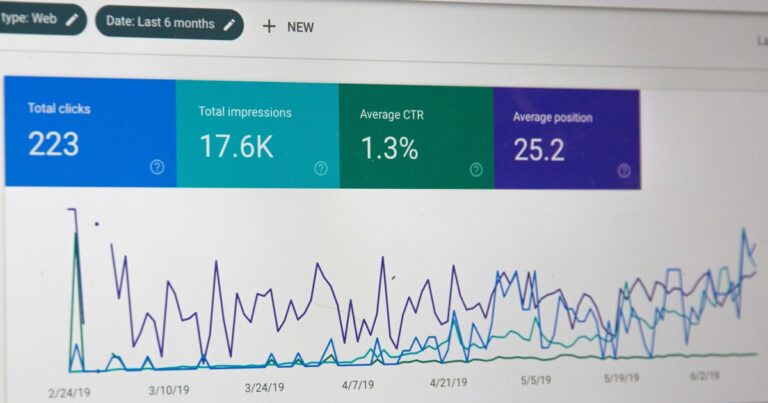
A digital marketing plan isn’t something you set and forget. You need to regularly monitor its performance and make adjustments based on real-time data. I always track key performance indicators (KPIs) like traffic, conversion rates, and engagement metrics.
For example, after running a month-long social media campaign for a client, I noticed that posts with user-generated content were getting more engagement than product-focused posts. This insight led to a strategy shift, and we incorporated more customer photos and reviews into the content calendar.
Tip: Use Google Analytics, social media insights, and email marketing platforms to measure success. Don’t be afraid to pivot if something isn’t working—optimization is key.
Step 8: Keep Evolving Your Strategy
The digital landscape is constantly changing. New platforms, tools, and trends emerge all the time. For instance, AI-driven marketing tools are becoming more popular, and social media algorithms are always shifting.
Staying adaptable is crucial. For example, a business could test YouTube Shorts alongside its existing channels for a defined period. Compare qualified visits, enquiries and sales before deciding whether the additional production time is worthwhile.
Conclusion:
Creating an effective digital marketing plan is vital for any small business aiming for growth in today’s competitive landscape and it is more than just picking a few strategies and hoping for the best. It requires careful planning, understanding your audience, tracking performance, and adapting as necessary. By defining clear goals, leveraging data, and utilizing the right mix of SEO, content, social media, and email marketing, small businesses can build a strategy that drives results. Regularly revisiting and refining your plan based on performance data will ensure sustained success and allow your business to adapt to the ever-evolving digital world.
Remember: it’s about quality over quantity. You don’t need to be everywhere; you just need to be where your audience is, with the right message at the right time.
By following these steps, I’ve been able to build strategies that not only drive traffic and sales but also foster long-term relationships with customers. If you follow these principles, you’ll be well on your way to crafting a digital marketing plan that delivers lasting results.
Do you want to create a digital marketing plan? Explore this Digital Marketing Plan Template to discover how.