
Embracing E-commerce: Setting Up an Online Store

Have you ever wondered why some businesses do well while others struggle? Today’s digital market is growing fast, breaking down barriers and connecting businesses worldwide. Is your old retail plan enough in this new shopping era?
Starting an online store is now a must, not just a trend. Many owners worry about tech, money, and losing personal touch. But, with help from platforms like QShop, going digital can lead to growth and success. Let’s look at why e-commerce matters and how to start well.
Key Takeaways
- Global e-commerce allows businesses to expand their reach beyond physical locations.
- Online marketing boosts brand visibility and customer base expansion.
- 24/7 shopping enhances customer satisfaction and loyalty.
- Analytics tools provide insights for optimizing marketing and product offerings.
- Secure payment methods and clear return policies encourage repeat purchases.
- Combining online and offline strategies strengthens customer relationships.
Understanding the Importance of E-Commerce
The digital world has changed a lot, and e-commerce for businesses is a success key. As more people shop online, companies need to keep up. In 2023, online shopping made up over 19% of all sales worldwide. Experts think this will grow to almost 25% by 2027.
This growth shows why businesses must focus on their online presence. It helps them reach more customers and keep them engaged.
There are many types of e-commerce, like B2C, B2B, and C2C. Each type helps businesses reach different groups of customers. Big companies like Badgley Mischka serve many customers. Mid-size companies, like Chair King, focus on making shopping personal.
Small businesses, like Moore Brothers Wine Company, use BigCommerce to offer unique online experiences. This shows how important it is for businesses to have a strong online presence.
With over five billion internet users worldwide, businesses must sell online. Online stores, especially Amazon, are huge in e-commerce. In fact, Amazon sales for brand owners grew by over 22% last year.
This shows the huge potential for online sales. Experts predict online sales will hit over $8 trillion by 2027. This is a 39% increase in just a few years.
Having a strong online store has many benefits. It lets businesses reach people all over the world. They can also tailor their marketing to fit different groups of people.
The competition in e-commerce is high, but it’s also easy to start. Businesses can use new tech like artificial intelligence to improve shopping online. This helps them stay ahead of the competition.
Benefits of Embracing E-Commerce for Traditional Businesses
Adding e-commerce to traditional businesses brings many benefits. It boosts operations and connects with customers better. Online sales have grown a lot, showing a 27% revenue increase from 2020 to 2022.
More people want to shop online, with a 35% increase in online store visits. This lets businesses build closer, more personal relationships with customers. Traditional stores often can’t do this as well.
It’s easier than ever to reach more customers online. E-commerce sales to international customers jumped by 45%. This is key as traditional retail sees a 15% drop in foot traffic.
Online shopping makes customers happier, with an 18% increase in satisfaction. This is because online shopping is convenient and tailored. Plus, online returns are 10% lower, showing more confidence in online shopping.
E-commerce is also cheaper to start than traditional stores. Online shops are open 24/7, giving customers the flexibility to shop anytime. This makes shopping more convenient.
In summary, e-commerce helps traditional businesses keep up with the changing market. By using e-commerce, companies can grow and stay competitive in a diverse market.
| Metric | Traditional Retail | E-Commerce |
|---|---|---|
| Revenue Growth (2020-2022) | – | 27% Increase |
| Customer Engagement Growth | – | 35% Increase |
| International Sales Surge | – | 45% Increase |
| Foot Traffic Change | 15% Decrease | – |
| Customer Satisfaction Improvement | – | 18% Increase |
| Return Rate Comparison | Higher | 10% Lower |
| Sales Volume (2021) | – | $4.9 Trillion |
| Projected Sales Volume (2025) | – | $7.4 Trillion |
| 24/7 Accessibility | No | Yes |
Key E-Commerce Platforms to Consider
Many e-commerce platforms help businesses set up their online stores. Each has special features for different needs. Knowing these platforms is key to picking the right one for your goals.
Shopify: User-Friendly Solutions for Beginners
Shopify is great for newbies in online selling. It has a G2 rating of 4.4 out of 5 and is easy to use. It also has customizable templates.
However, Shopify Plus’s monthly fee went up by 25%. There’s also a 33% fee increase if you don’t use Shopify Payments. These changes should be considered in your budget.
WooCommerce: Customization and Control for WordPress Users
WooCommerce is perfect for WordPress users. It’s rated 4.4 out of 5 by G2 and is easy to customize. It works well with WordPress sites, making it easy to manage content and products.
Magento: Advanced Features for Growing Businesses
Magento, now Adobe Commerce, is for big businesses. It has a G2 rating of 4 out of 5 and offers advanced features. It’s great for detailed inventory management.
But, Magento needs more development skills than Shopify or WooCommerce. Still, its strong features make it a good choice for businesses looking to grow big.
Setting Up an Online Store
Starting an online store might seem hard, but it’s doable with a clear plan. First, pick the right platform for your business. Shopify, Wix, and Squarespace are popular choices. Shopify starts at $29 a month and has a drag-and-drop editor for easy use.
Creating detailed product pages is key. Good images and descriptions can make customers want to buy. Using 360-degree photos can increase sales by 13%. Organize products by category for a better shopping experience.
Think about how customers will pay and how you’ll ship items. Choose payment gateways that work with your platform. Offer clear shipping options and consider dropshipping to save on inventory.
Success in e-commerce needs careful planning and execution. Setting up a store has many steps, but a step-by-step approach helps. Spend time researching your market and improving your store for better customer interaction.
| Platform | Starting Price | Key Features |
|---|---|---|
| Wix | $17 per month | Templates, user-friendly interface |
| Squarespace | $16 per month | Portfolios, design flexibility |
| Shopify | $29 per month | One-month trial for $1, customizable apps, sells everywhere |
| Web.com | $2.99 (with code BUILD50 for 50% off) | Simple setup, basic features |
Identifying Your Target Market
Understanding your target market is key to a successful e-commerce business. Good market research gives you insights into what customers like and do. Surveys and focus groups help gather this important data.
The Importance of Market Research
Market research is crucial for knowing what customers want and need. It looks at demographics, psychographics, and who your competitors are. Tools like the U.S. Small Business Association’s SizeUp tool help see local competition and spending habits.
With this information, businesses can make their products and marketing better. This ensures they meet their target market’s needs.
Defining Customer Personas
Creating customer personas is vital for better marketing. These profiles include demographics, psychographics, and what customers struggle with. By knowing your customers well, you can make products they’ll love.
Personalized marketing strategies can then be made. This approach helps with pricing, understanding customer needs, and building loyalty.
Developing a Compelling Brand Identity
Creating a strong brand identity is key for businesses in the e-commerce world. It includes things like personality, mission, colors, logo, and voice. A business that gets these right can stand out from others.
Knowing your target audience is important for building a brand. It helps you create a message that speaks to them. Market research helps understand what they want and what others are doing. This helps your branding match what your customers are looking for.
A brand guidelines document is essential. It outlines how your brand looks and talks. It ensures your message is consistent everywhere, building trust and recognition. A clear positioning statement also shows what makes your brand special.
Visual elements like logos and colors are also key. A good logo makes your brand memorable. A consistent color scheme builds emotional connections. So, spending time on these details is important to make your brand stand out.
| Brand Element | Description |
|---|---|
| Brand Personality | The human traits associated with the brand and how it is perceived by the audience. |
| Mission Statement | A concise summary of the company’s goals and the impact it aims to make. |
| Color Palette | Chosen colors that evoke specific emotions and create brand recognition. |
| Logo | The visual symbol that represents the brand and contributes to brand recall. |
| Brand Voice | The tone and style of communication that reflects the brand’s personality. |
In short, a strong digital presence through good e-commerce branding is crucial for success. A consistent and engaging brand identity can increase loyalty, sales, and help navigate the modern market.
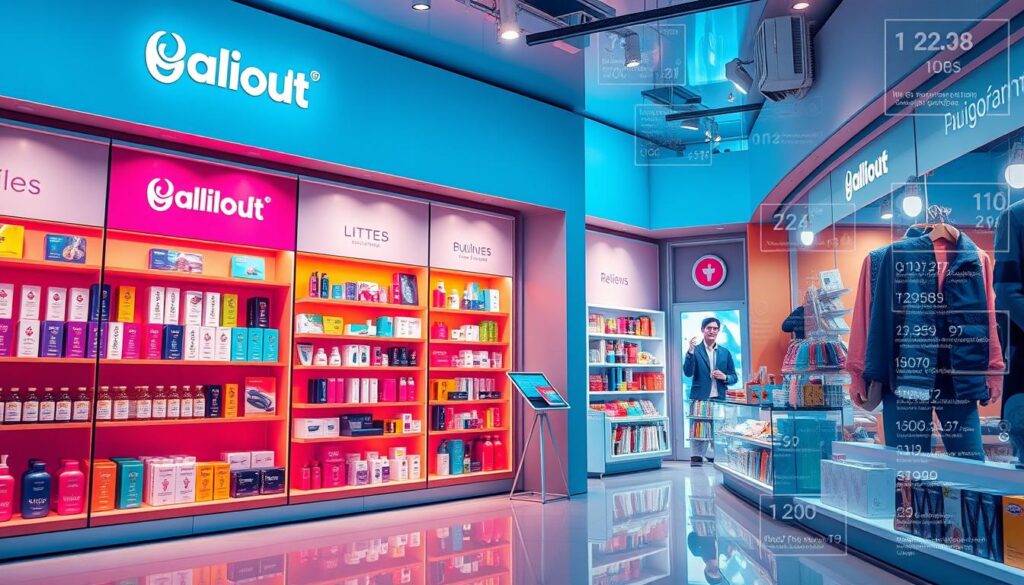
Creating an Effective Online Storefront
Building a great online storefront needs focus on design and features. A well-designed site boosts user experience, leading to more sales and loyal customers. Key elements include responsive design, fast loading, and easy navigation.
Design Elements to Consider
Your online storefront’s design should be both useful and attractive. Important design elements include:
- Navigation Bar: A clear navigation bar makes it easy for users to find products.
- Search Functionality: A good search feature helps customers find items fast, improving their shopping experience.
- Product Reviews: Showing customer reviews builds trust and helps potential buyers understand product quality.
- Newsletter Sign-Up Forms: Getting visitors to subscribe can keep them engaged and loyal.
Essential Features of Your Online Store
Design is just part of the equation. Certain features are crucial for success. These include:
- Product Filtering: Let customers narrow their searches by categories, price, and more.
- Secure Payment Options: Offering various payment methods meets different customer needs while keeping transactions safe.
- Responsive Mobile Design: With many shoppers using mobiles, a responsive design ensures a smooth experience on all devices.
- Fast Loading Times: Quick-loading sites offer a better experience and lower bounce rates.
Payment Processing and Security Considerations
When you start an online store, knowing about payment processing and security is key. Choosing the right payment gateway is crucial for a good user experience and keeping data safe. Security is not just about avoiding breaches; it also builds trust with customers, which is vital for success.
Choosing the Right Payment Gateway
Choosing a payment gateway means looking at cost, features, and how easy it is to use. Many secure gateways offer encryption and tokenization. It’s important to pick one that follows PCI DSS standards to keep data safe.
Implementing Security Protocols
Businesses need strong security for online transactions. SSL/TLS encryption keeps data safe during transfer, and tokenization hides sensitive info. Adding two-factor and multifactor authentication also helps prevent unauthorized access.
Businesses use machine learning and behavior analysis to fight fraud. With 71% of businesses hit by payment fraud in 2021, picking the right payment solutions is critical. Keeping firewalls and networks secure is also key to protecting payment systems.
By focusing on a secure payment gateway and using strong security measures, online stores can boost customer trust. This reduces the risks of online transactions. For more on security, check out best practices for secure online payment.
| Security Measure | Benefits |
|---|---|
| SSL/TLS Encryption | Secures data transmission |
| Tokenization | Protects sensitive data from exposure |
| Two-Factor Authentication | Adds a layer of security |
| Firewall Protection | Protects against unauthorized access |
| Fraud Detection Tools | Identifies and prevents payment fraud |
Marketing Your Online Store
To make your online store a hit, you need smart marketing. A good plan mixes SEO and social media. This way, you can find and attract more customers.
SEO Strategies for E-Commerce Websites
SEO is key to getting your e-commerce site seen. Using the right SEO strategies can boost your site’s traffic and sales. Here are some important steps:
- Keyword Optimization: Use long-tail keywords to draw in the right people.
- Quality Content: Create helpful content to build trust and boost SEO.
- On-Page Factors: Make your site easy to find by optimizing meta tags and using clear language.
- Google Ads: Paid ads give quick results and let you tweak your campaigns as needed.
Utilizing Social Media for Promotion
Social media is crucial for marketing your online store. It helps you connect with customers and bring in more visitors. Here are some effective ways to use it:
- Visual Content: Post eye-catching images and videos to get more attention and shares.
- Influencer Collaborations: Team up with influencers to reach new audiences and get your products seen.
- Promotions and Giveaways: Run events and offer discounts to show the value of your products and encourage visits.
- Content Creation: Blogging helps you become an authority and keeps customers coming back for more.

Using SEO and social media together is a smart way to market your online store. It helps you get noticed and build strong customer relationships. This approach can lead to steady growth and success in the competitive online world.
Streamlining Operations: Logistics and Fulfillment
Getting good at e-commerce logistics means having a solid plan for fulfillment. It’s all about making customers happy by shipping fast, tracking orders well, and handling returns smoothly. A strong supply chain plan is key to running your business better.
Knowing how to fulfill orders is crucial for your logistics. You can manage everything yourself, which saves on shipping for local orders. But, it costs a lot to set up and run a warehouse. On the other hand, using third-party logistics (3PL) providers can save money and let you focus on what you do best.
Dropshipping is another option that needs little money upfront and no warehouse. It lets you sell more products but might make shipping and quality harder to control. Using Amazon can also help by reaching more customers and making shipping easier, but it costs more.
The following table summarizes key fulfillment strategies:
| Fulfillment Strategy | Advantages | Disadvantages |
|---|---|---|
| Internal Fulfillment | Complete control, lower local shipping costs | High initial investment in space and staff |
| Outsourcing (3PL) | Scalability, logistics expertise, cost-effective | Less control over the process |
| Dropshipping | Low investment, broad product access | Reduced control over shipping and quality |
| Amazon Fulfillment | Access to Prime customers, faster shipping | Higher costs due to fees |
Using technology is important for a good supply chain. It helps manage stock better and keeps products available. Digital centers with automation make packing and shipping faster, meeting online shoppers’ high expectations.
Choosing the right places for your distribution hubs is also key. These centers speed up order processing and make shipping faster. Having more than one hub can also cut down on delivery times.
Technology has a big role in logistics, from tracking orders to managing stock. These tools help keep customers happy and coming back. A smooth returns process builds trust and loyalty, which is vital in the online world.
Measuring Success: Analytics and KPIs
In the world of e-commerce, analytics is key to measuring success. By using e-commerce KPIs, businesses can see how they’re doing and make smart choices. Important metrics include things like how many people buy, how much they spend, and how many leave their carts behind.
A study by Statista found that many retailers use Google Analytics. This tool helps them keep an eye on important numbers. It shows how well they’re doing with personalizing their site, how many people visit, and how long they stay.
Looking at the right numbers regularly is very important. Here’s a list of metrics businesses should check:
| Frequency | Metrics to Analyze |
|---|---|
| Weekly | Website traffic, social media engagement, impressions |
| Bi-weekly | Average order value (AOV), cost per acquisition (CPA), shopping cart abandonment |
| Monthly | Email open rate, multichannel engagement, reach, add-to-cart abandonment, micro-conversions |
| Quarterly | Email click-through rate, customer lifetime value, subscription rate |
These numbers give a clear picture of an e-commerce business’s health over time. For insights on customers, tracking how often they come back and how happy they are can help. Looking at sales and what products are popular can also guide businesses to better meet customer needs.
By using and checking e-commerce KPIs regularly, businesses stay on track with their goals. This is a key part of making smart decisions and growing in the e-commerce world.
Conclusion
As we move through the changing digital world, it’s clear that e-commerce is key for businesses to grow. Starting your e-commerce journey means planning well. This includes knowing your business structure, like a sole proprietorship or LLC.
Each structure has its own benefits and challenges. These affect how you set up your online store.
The article covered important steps like finding your target audience and creating a strong brand. Choosing the right e-commerce platform is also crucial. Using social listening tools helps you understand what customers want.
With e-commerce revenue in the U.S. expected to hit $476 billion by 2024, now is the time to act. This could be a game-changer for traditional businesses.
In short, moving to e-commerce opens up new markets and sets the stage for growth. By using these strategies and tools, businesses can stay competitive in the online world. The rewards of a successful digital transition are vast and waiting to be discovered.
Read the article: How to Negotiate Better Payment Terms with Suppliers