Best Accounting Software Alternatives to QuickBooks
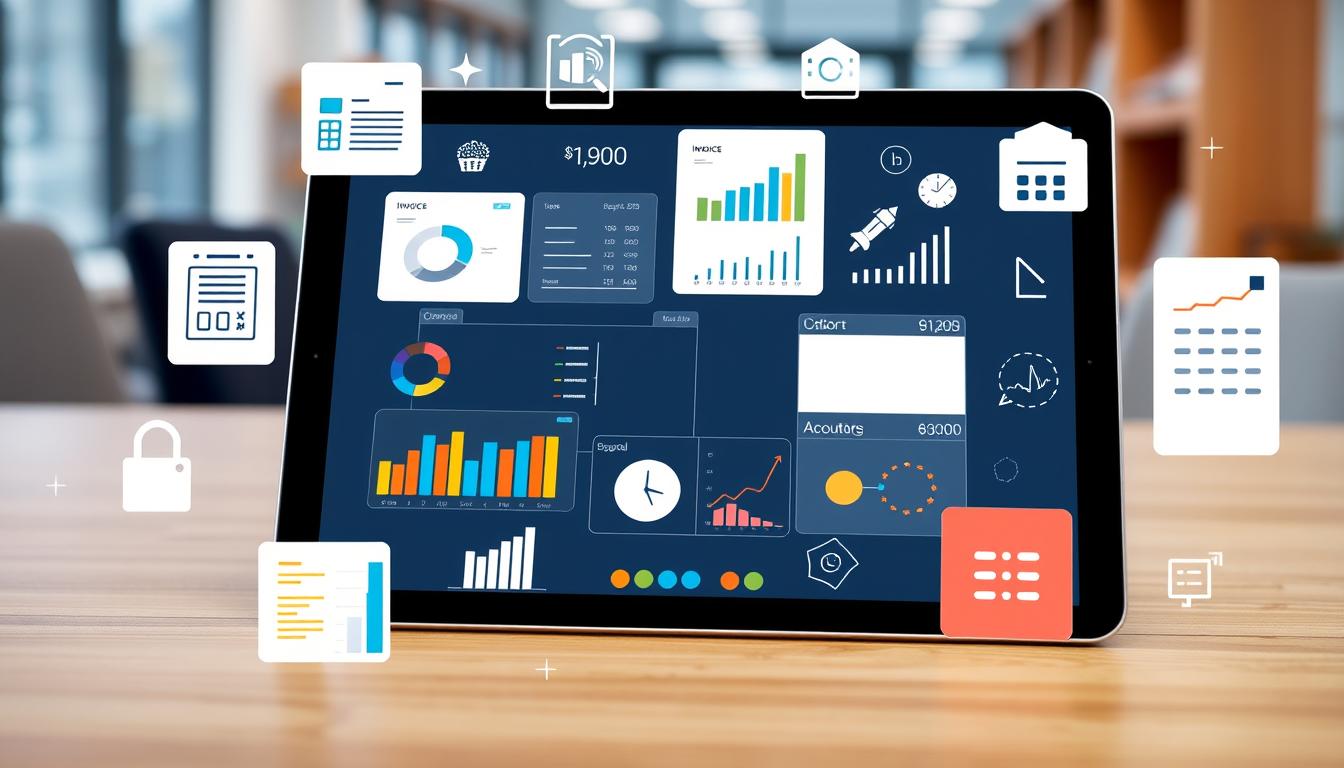
Did you know that nearly 43% of small businesses spend over 10 hours a month on accounting? This shows how crucial good accounting solutions are. QuickBooks is popular, but there are many other options that can help manage small business finances better.
These alternatives offer special features for different industries. They ensure you get a solution that fits your needs, not just any generic one. In this article, we’ll look at cost-effective options like FreshBooks, Sage Business Cloud, and Xero. We’ll compare them to QuickBooks to help you make a better choice for your finances.
Key Takeaways
- QuickBooks may not be the only option for efficient accounting management.
- Cost-effective solutions are available for small business needs.
- Various alternatives offer specialized features to streamline financial tasks.
- Understanding your requirements can guide you towards the best software.
- Exploring user experiences is essential for making informed choices.
Understanding the Need for Accounting Software
Good financial management is key for small businesses to thrive. The right accounting software helps a lot. It makes financial tasks easier and keeps businesses in line with rules.
With digital solutions becoming more common, it’s important for businesses to use modern accounting tools.
Importance of Efficient Financial Management
Good financial management helps businesses understand their operations better. It makes decision-making and planning easier. Accounting software automates tasks like invoicing and payroll.
This saves time and reduces errors. It makes businesses more productive and helps them stay on top of their finances.
Challenges with Traditional Accounting Methods
Old accounting methods have big problems. They take a lot of time and can lead to mistakes. Errors in spreadsheets or papers can harm a company’s finances.
Working with physical records can also cause problems. It’s hard to find information when you need it. Using outdated methods can make it hard for businesses to compete.
Top Features to Look for in Accounting Software
Finding the right accounting software is key to making financial tasks easier. Some features can really improve how well it works and how easy it is to use. Here are the main things to look for:
User-Friendly Interface
A good accounting software should be easy for everyone to use. It should be simple to navigate, even for those who aren’t experts in accounting. This means you can do things like create invoices, track expenses, and make reports without getting lost.
Integration with Other Tools
Good accounting software should work well with other tools too. This includes payroll systems, CRM platforms, and project management apps. When everything works together smoothly, you save time and avoid mistakes.
Robust Reporting Features
Being able to make detailed reports is very important. It helps businesses understand their money situation. You can create reports on income, cash flow, and budgets. This way, you can spot trends, make smart choices, and plan for the future.
Cost-Effective QuickBooks Alternatives
Many small businesses look for affordable accounting software due to budget constraints. FreshBooks and Xero are great options that offer key features at lower prices. They help businesses manage their finances well without spending too much.
Affordable Options for Small Businesses
There are many solutions for small businesses, each with its own strengths. Some top picks include:
- FreshBooks: Perfect for service-based industries with top-notch invoicing.
- Xero: Ideal for small teams needing full accounting features.
- Sage Business Cloud: Offers flexible plans for growing businesses.
Cost Comparison with QuickBooks
It’s important to compare costs when looking for alternatives. A QuickBooks cost comparison shows how much you can save. Here’s a table that shows typical prices:
| Accounting Software | Monthly Cost | Key Features |
|---|---|---|
| QuickBooks | $70 | Full accounting, payroll, invoicing |
| FreshBooks | $15 | Invoicing, expense tracking, time tracking |
| Xero | $22 | Bank reconciliation, invoicing, payroll processing |
This comparison shows that cheaper options don’t mean less capability. By looking at total costs, businesses can choose wisely. They can save money and still get great features.
QuickBooks Alternatives: A Comprehensive Overview
Looking into QuickBooks alternatives means understanding their unique features. A detailed features comparison with QuickBooks shows both good and bad points of each software. This helps users make a better choice when thinking about switching.
Features Comparison with QuickBooks
Each accounting program has special features for different business needs. Key things to check include:
- Multicurrency support for international deals
- Document management tools
- Custom report options
By looking at these features, users can find the best software for them. Many alternatives offer strong points against QuickBooks, especially for small businesses.
User Reviews and Ratings
User opinions are crucial when checking out QuickBooks alternatives. Sites like Capterra and G2 share user reviews, giving insights into others’ experiences. These reviews often talk about:
- How easy the software is to use
- The quality of customer support
- How happy users are with the software
Combining this feedback with the features comparison helps businesses find solutions that fit their needs and match user experiences.
Best Accounting Software Alternatives for Small Businesses
Finding the right accounting software is key for small businesses to thrive. Many options excel in various areas, offering solutions tailored to different needs. Here, we explore some top accounting software alternatives that stand out in the market.
FreshBooks: Tailored for Service-Based Businesses
FreshBooks is a top pick for service-based businesses. It offers easy invoicing and time tracking. This helps businesses manage their cash flow well.
Sage Business Cloud: Ideal for Growing Companies
Sage Business Cloud is made for growing companies. It’s scalable and offers insights and management tools. It’s great for small businesses looking to grow and stay competitive.
Xero: A Robust Choice for Small Teams
Xero is perfect for small teams needing accounting solutions. It’s easy to use and offers real-time updates. It also works well with other apps, making it customizable for businesses.
| Software | Main Features | Best For |
|---|---|---|
| FreshBooks | Invoicing, Time Tracking | Service-Based Businesses |
| Sage Business Cloud | Scalability, Financial Insights | Growing Companies |
| Xero | Collaboration, Third-party Integration | Small Teams |
Evaluating the Top QuickBooks Alternatives
Choosing the right accounting software is a big decision. Businesses need to know what they need. This makes it important to evaluate different options carefully.
Criteria for Selection
When picking accounting software, there are key things to look at. These include:
- Functionality: Check if the software can handle invoicing, payroll, and tracking expenses.
- User Support: Look at the customer support options, like live chat, email, or phone help.
- Scalability: Make sure the software can grow with your business and handle more transactions.
- User Experience: Read user reviews to see how easy the software is to use and how fast you can learn it.
Case Studies and Use Cases
Case studies show how small businesses have moved to new accounting software. They share strategies and challenges. For example, a retail business moved to Xero from QuickBooks and got better inventory management.
A service-based company switched to FreshBooks from Sage and found better project tracking. Here’s a table with some examples:
| Business Type | Previous Software | New Software | Key Benefits |
|---|---|---|---|
| Retail | QuickBooks | Xero | Improved inventory management |
| Service-Based | Sage | FreshBooks | Enhanced project tracking |
| Construction | QuickBooks | Zoho Books | Better job costing features |
Case studies are very helpful in making decisions. They show how others have made the switch. This can teach you important lessons for your own transition.

Benefits of Switching from QuickBooks
Switching to new accounting software can bring many benefits to businesses. They can find better financial management tools. Many options offer features that meet specific industry needs.
This move to customizable software lets businesses pick the right tools for them. It helps them work more efficiently.
Enhanced Functionality
QuickBooks alternatives often have better features. They include advanced budgeting tools and detailed reporting. These tools help with daily tasks and making important decisions.
Customizable Features for Niche Industries
Businesses in unique sectors benefit from customizable software. It allows for changes that fit their specific needs. This makes work easier and more intuitive.
Custom features address the complex needs of each niche market. It’s a big plus for businesses in specialized fields.
User Insights: Why They Chose Alternatives to QuickBooks
Switching from QuickBooks can tell us a lot. Small business owners share why they chose other options. They talk about the benefits that made a difference for them.
Real Experiences from Small Business Owners
Service-based business owners love FreshBooks for its easy invoicing. It helps them keep customers happy. Retailers, on the other hand, prefer Xero for its inventory management. These features meet their specific needs.
Long-Term Benefits of Alternative Software
Switching can save money and make things run smoother. Over time, these alternatives can cut costs. They also grow with your business. This makes them a good choice for many.
Conclusion
Looking into QuickBooks alternatives shows how much small businesses can improve their finance management. Each option has unique features that meet different financial needs. This variety lets business owners find the best fit for their operations.
Small businesses should check their current financial systems. They might find better options that offer specific benefits. These alternatives can make accounting tasks easier and improve overall financial management.
Choosing the right accounting software is key to better financial processes and growth. The right tool can boost efficiency and help make important business decisions. It’s all about finding the best fit for your business.