
Building a Personal Brand as an Entrepreneur

What makes one entrepreneur memorable while another is quickly forgotten? It is not always the best product, the biggest budget, or the most experience. More often, it is the strength of their personal brand.
In today’s competitive business landscape, people want to do business with people they know, trust, and respect. Your personal brand is how you present your expertise, values, personality, and reputation to the world. It shapes the way customers, investors, employees, and business partners perceive you long before they meet you. Whether you are launching a startup, growing a small business, or establishing yourself as an industry expert, building a strong personal brand has become one of the most valuable investments you can make.
A well-developed entrepreneur personal brand helps you stand out in a crowded market, build credibility, attract new opportunities, and create lasting relationships with your audience. It also strengthens your business brand because people are naturally drawn to authentic leaders who consistently share their knowledge, values, and experiences. With millions of people researching businesses and professionals online every day, your digital presence often becomes your first impression. Making that impression count has never been more important.
In this guide, you’ll discover practical strategies to build a personal brand as an entrepreneur, establish authority in your industry, increase trust with your audience, and position yourself for long-term business success.
Key Takeaways
- Personal branding is essential for entrepreneurs in a competitive market.
- Your values and skills are reflected in your personal brand.
- 70% of employers utilize social media for candidate assessment.
- Strategic branding enhances business reputation.
- Effective online presence fosters credibility and connections.
The Importance of Personal Branding for Entrepreneurs
Personal branding plays a critical role for entrepreneurs striving to establish a solid business reputation. In an increasingly competitive market, effective branding strategies enable individuals to stand out among numerous options available to consumers. A distinct and authentic personal brand fosters trust and fosters loyalty, essential components in building lasting relationships with prospective customers.
Research indicates that entrepreneurs with well-developed personal brands often attract more favorable business opportunities. This correlation highlights the impact of personal branding on marketing strategies and overall business success. By presenting a clear message about their unique value, entrepreneurs can position themselves as thought leaders within their industries, subsequently enhancing their credibility and authority.
| Aspect | Impact of Personal Branding | Business Reputation Outcome |
|---|---|---|
| Trust Building | Creates strong connections with customers | Improved loyalty and referrals |
| Visibility | Increases awareness of the entrepreneur | Enhanced opportunities for collaboration |
| Thought Leadership | Establishes expertise and knowledge | Heightened credibility in the market |
| Funding Attraction | Drives interest from investors | Greater chance of securing financial backing |
Defining Your Unique Value Proposition
Understanding your unique value proposition (UVP) is essential for establishing a strong personal branding strategy. A well-crafted UVP clearly communicates what sets you apart from competitors in the market. This differentiation matters, as it reinforces your business reputation in the eyes of potential clients.
To begin defining your UVP, consider the following elements:
- Identify your strengths: Evaluate your skills, experiences, and what you genuinely excel at.
- Know your audience: Understand who your ideal customers are and what they need.
- Communicate your uniqueness: Articulate how your offerings address customer pain points effectively.
Consistency in expressing your UVP across various platforms significantly enhances your personal branding efforts. When your messaging aligns with your unique strengths, it cultivates authenticity and builds trust with your audience. Explore how to align your UVP with your overall narrative through strategic approaches by visiting this insightful resource.
Building Your Online Presence
Establishing a robust online presence is crucial for entrepreneurs aiming to expand their brand visibility. By choosing the appropriate social media platforms, you can engage effectively with your target audience and convey your message in a tailored manner.
Choosing the Right Social Media Platforms
Selecting the right social media platforms can significantly impact your engagement and reach. It’s important to identify where your potential customers spend their time online. Platforms such as LinkedIn offer opportunities for B2B entrepreneurs, while Instagram is more suited for brands focusing on lifestyle. There are several other platforms to consider:
- Facebook – Great for community building and diverse audiences.
- Twitter – Effective for real-time communication and updates.
- Pinterest – Beneficial for visually-driven brands, especially in niches like fashion and home décor.
Creating Engaging Content
Creating engaging content is vital for fostering a community around your brand. Different content forms such as blog posts, videos, and podcasts play a key role in enhancing your online presence. By sharing valuable insights and showcasing your expertise, you can keep your audience invested and interested. Here are some tips to ensure your content remains engaging:
- Focus on storytelling to establish an emotional connection.
- Use visuals and graphics to make information easily digestible.
- Ask questions to encourage audience interaction and feedback.
Entrepreneur Personal Branding Strategies
Creating a strong personal brand involves implementing effective branding strategies that resonate with your target audience. Active networking plays a vital role in building relationships that can enhance your brand and open new opportunities. Engaging with other professionals in your industry allows you to forge connections that could lead to collaborations and valuable partnerships.
Networking and Building Relationships
Networking is more than just exchanging business cards; it’s about establishing authentic relationships. Attend industry events, join professional organizations, and actively participate in discussions on social media platforms to connect with like-minded individuals. Making meaningful connections can lead to collaborations that elevate your brand visibility.
- Attend workshops and seminars to meet potential collaborators.
- Utilize online platforms like LinkedIn to expand your professional network.
- Participate in local business groups to foster relationships within your community.
Leveraging Influencer Collaborations
Influencer collaborations can significantly boost your brand’s credibility and reach. Identifying influencers who align with your values and target demographic is key. A well-thought-out partnership with the right influencer can amplify your message and introduce your brand to a wider audience.
- Research influencers in your niche to find those that resonate with your brand.
- Propose authentic collaboration ideas that benefit both parties.
- Monitor the success of your partnership to measure impact on your branding strategies.
Establishing Credibility and Authority
In the landscape of personal branding, establishing credibility and authority stands as a crucial factor for entrepreneurs aiming for recognition. A solid personal brand can differentiate an entrepreneur from competitors, contributing significantly to business success. By showcasing expertise through valuable content creation, entrepreneurs can enhance their authority and position themselves as thought leaders in their field.
Transparency and consistency play a vital role in building trust with your audience. Regularly engaging with followers and addressing their concerns fosters a sense of reliability. Entrepreneurs should focus on sharing authentic narratives that reflect their values, further cementing their credibility. Speaking at industry events or participating in webinars not only demonstrates knowledge but also establishes a connection with potential clients and peers.
Implementing strategic actions is essential for sustained credibility. Activities such as collaborating with established brands or participating in notable panels can enhance perceived authority. Continuous efforts in content sharing, particularly in relevant niches, bolster the entrepreneur’s presence and expertise. For instance, the insights available in this article provide valuable guidance on these strategies.
Consistency in Branding
Establishing branding consistency is essential for any entrepreneur striving to build a memorable personal brand. A cohesive brand creates a strong visual identity that resonates with your audience. This section delves into key aspects like visual identity and tone of voice, illustrating how they work together to enhance your brand’s impact across all platforms.
Visual Identity and Design
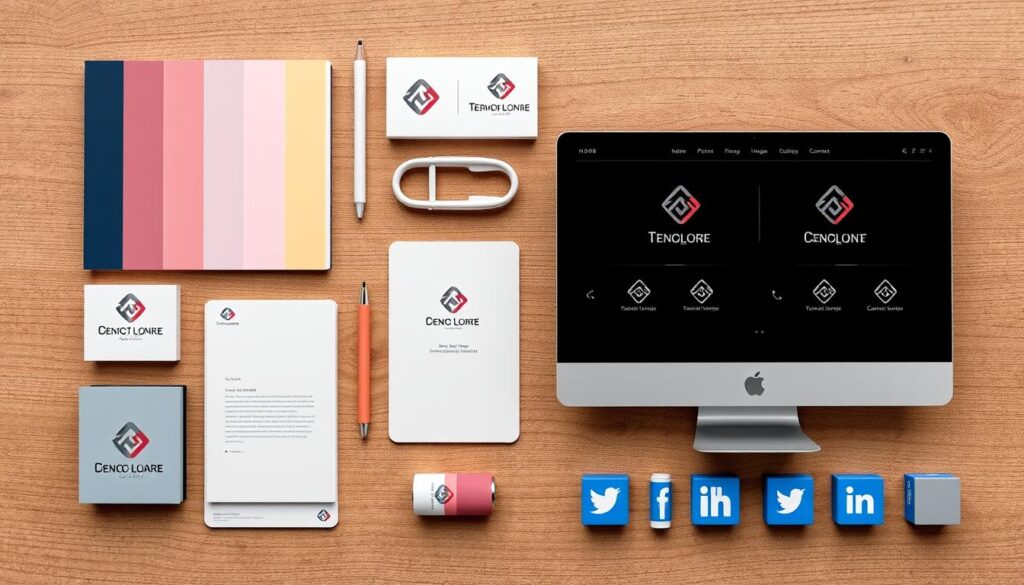
Your visual identity encompasses every element associated with your brand, including logos, color schemes, typography, and imagery. A well-defined visual identity fosters recognition and trust. To achieve effective branding consistency, consider the following:
- Choose a color palette that reflects your brand values.
- Design a logo that is versatile and memorable.
- Utilize consistent typography across all platforms.
- Incorporate high-quality images that align with your brand message.
Tone of Voice Across Platforms
Maintaining a consistent tone of voice allows you to communicate your personality and values effectively. Whether you are writing a blog post, posting on social media, or engaging in public speaking, your tone should remain cohesive. Here are steps to ensure branding consistency in tone:
- Define your brand personality—is it professional, friendly, or playful?
- Use a consistent language style that resonates with your target audience.
- Incorporate storytelling to enhance engagement while staying true to your brand voice.
- Regularly review all content to ensure it aligns with your established tone.
Measuring Your Brand Success
Understanding the metrics that reflect your branding success is essential for ongoing growth. Proper measurement allows entrepreneurs to assess their online presence and identify areas for improvement. Key performance indicators (KPIs) such as social media engagement, website traffic, and customer feedback provide invaluable insights into the effectiveness of your branding efforts.
Social media platforms like Instagram, Twitter, and LinkedIn offer tools for analyzing engagement rates and audience interaction. Monitoring these insights can help businesses make data-driven decisions to refine their strategies. For example, a spike in comments or shares often indicates content that resonates with the target audience.
Website analytics reveal traffic patterns, showcasing which pages attract the most visitors and where users tend to drop off. Understanding these metrics helps in optimizing web content while enhancing the overall user experience.
Customer feedback provides direct insight into how your brand is perceived. Implementing surveys or using review platforms enables entrepreneurs to gather opinions and make adjustments based on consumer sentiment.
As illustrated by successful brands, consistent measurement of these metrics allows for strategic pivots that maximize branding success. By continually adapting based on data, entrepreneurs can solidify their market position and foster a strong online presence.
Adapting Your Brand Over Time
In the dynamic landscape of entrepreneurship, brand adaptation plays a crucial role in maintaining a strong business reputation. Entrepreneurs must recognize the importance of evaluating their brands regularly to ensure they meet shifting market demands and consumer expectations. This process involves assessing both internal and external factors that influence a brand’s performance.
Changes in consumer behavior can emerge from various sources, including technological advancements and new industry trends. Accordingly, personal branding should evolve to align with these shifts. Identifying key indicators of when to pivot can empower entrepreneurs to take timely action. Below are key strategies entrepreneurs can consider for effective brand adaptation:
- Conduct regular market analysis to identify emerging trends.
- Gather customer feedback to understand changing preferences.
- Monitor competitors to recognize industry shifts.
- Evaluate personal growth and how it aligns with brand perception.
Fostering a responsive brand not only enhances its longevity but also strengthens the overall business reputation. As customer needs evolve, so must the strategies surrounding personal branding, ensuring that the brand remains relevant and engaging in an ever-changing marketplace.

Conclusion
In summary, the journey of personal branding is essential for any entrepreneur aiming for success. A solid personal brand not only enhances your business reputation but also cultivates trust and credibility within your target market. By clearly defining your unique value proposition and consistently engaging across various platforms, you lay the foundation for meaningful connections and lasting relationships.
Moreover, the dynamic nature of entrepreneurship demands that you remain adaptable and proactive in refining your branding strategies. By continually assessing your impact and incorporating feedback, you ensure that your personal brand resonates with your audience and stays relevant over time. Ultimately, the commitment to developing your personal brand will significantly contribute to your long-term entrepreneur success.
As established in several key studies, effective personal branding creates a ripple effect, drawing opportunities and fostering collaborations that elevate your entrepreneurial journey. Recognizing the power of a strong personal brand will empower you to navigate the challenges of the entrepreneurial landscape with confidence and purpose.
Read the article: Top Challenges Facing Entrepreneurs: A Data-Driven Analysis