Top Accounting Tools to Manage Cash Flow Without an Accountant
For the small business owner, cash flow is not merely a financial metric; it is the raw pulse of life for the enterprise. It is the oxygen that fuels operations, the signal of health, and the most common source of fatal stress. The traditional image of managing this vital flow involves an accountant in a back office, buried in ledgers, providing insights weeks after the fact. While professional advice remains invaluable, a profound shift has occurred. A new generation of accounting tools now places the power of real time cash flow management directly into the hands of the business owner. These platforms are not just digital ledgers; they are intelligent financial co pilots. They transform the arcane art of cash flow from a mysterious, retrospective report into a clear, forward looking dashboard that you can navigate yourself. This guide explores the essential tools and the strategic mindset required to take command of your business’s solvency, ensuring you are always steering toward calm waters, not reacting to incoming storms.
The Foundational Mindset: From Record Keeping to Forecasting
Before exploring tools, a fundamental shift in perspective is required. Managing cash flow is not synonymous with bookkeeping. Bookkeeping is the historical record of what has already happened. Cash flow management is the proactive art of anticipating what will happen. Your goal is to move from asking, “What was my profit last month?” to confidently answering, “Will I have enough cash to meet payroll in 90 days, and if not, what actions must I take today?”
This proactive stance requires three continuous forms of awareness:
- Real Time Visibility: Knowing your exact cash position, including all pending inflows and outflows, at this very moment.
- Short Term Forecasting: Projecting your cash balance weeks or months into the future based on known invoices and bills.
- Scenario Planning: Understanding how a delay in a key payment, a new equipment purchase, or a surge in sales would impact your runway.
The right tools automate the data collection for visibility and empower you to perform forecasting and scenario planning with ease. They turn cash flow management from a quarterly accounting exercise into a daily operational habit.
The Core Tool: The Connected Accounting Platform
Your primary command center will be a cloud based accounting platform. This is the central hub where all financial data converges. For autonomous cash flow management, specific features are non negotiable.
Direct Bank and Credit Card Feeds
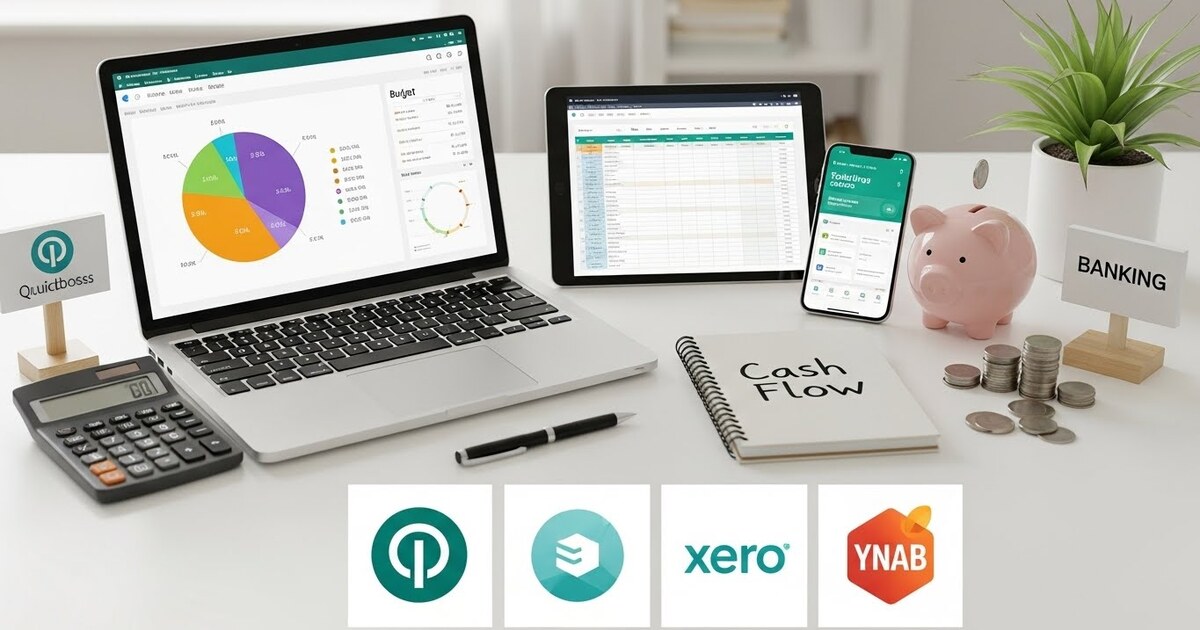
The single most important feature is the ability to connect your business bank accounts, credit cards, and digital payment processors (like PayPal or Stripe) directly to the software. Tools like QuickBooks Online, Xero, and FreshBooks excel here. These connections create a live stream of all transactions into your ledger, automatically categorized. This eliminates the fatal lag of manual entry, giving you an up to the minute view of your actual cash balance. The software becomes a mirror of your bank accounts, updated continuously.
Automated Invoicing and Payment Links
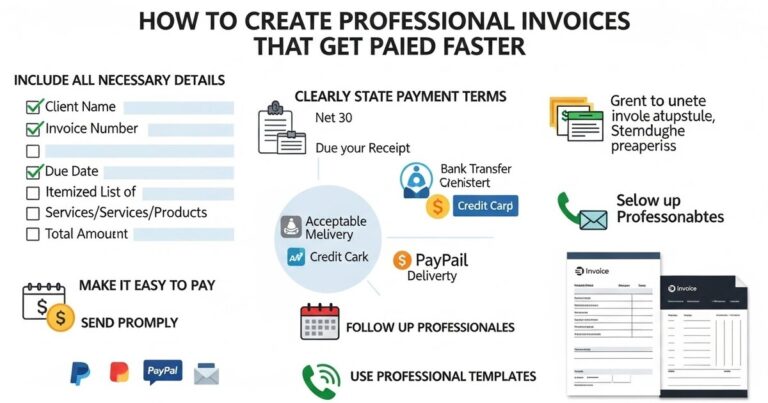
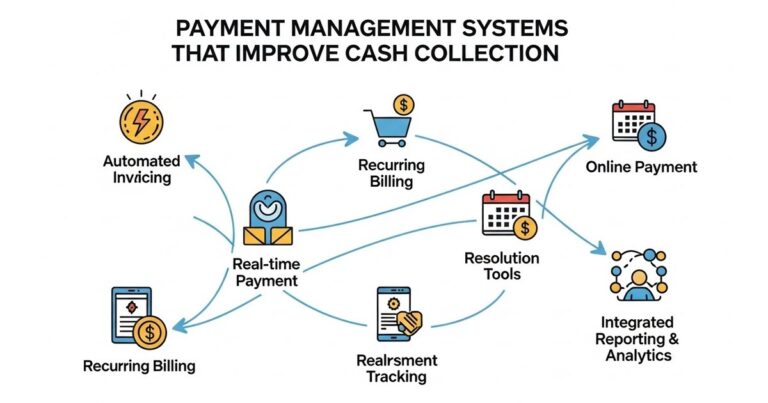
Cash flow is about velocity—how quickly you can turn work into cash in the bank. Modern platforms allow you to create professional, recurring invoices and, critically, embed “Pay Now” buttons directly on them. When a client receives your invoice via email, they can click to pay instantly by credit card or bank transfer. This reduces the payment cycle from weeks to days. Furthermore, these tools can send automatic, polite payment reminders for overdue invoices, performing the uncomfortable task of collections on your behalf, ensuring your accounts receivable don’t become stagnant.
Bill Management and Scheduled Payments
Just as you must accelerate money in, you must intelligently manage money out. The same platforms allow you to upload or enter bills from vendors. You can see all your upcoming financial obligations in one place. More importantly, you can often schedule payments directly from the platform, ensuring you never miss a due date and can time payments to optimize your cash on hand. Seeing your “cash out” commitments lined up against your “cash in” expectations is the essence of forecasting.
The Dashboard: Your Financial Instrument Panel
Upon logging in, you are greeted not with a list of journal entries, but with a visual dashboard. This is your solvency cockpit. At a glance, you should see: Current Bank Balance, Outstanding Invoices (Accounts Receivable), Unpaid Bills (Accounts Payable), Profit & Loss trends, and a basic cash flow graph. This instant snapshot is the foundation of your daily cash flow awareness.
The Specialized Accelerator: Dedicated Cash Flow Forecasting Apps
While core accounting platforms provide a present tense view, a new category of tools specializes in future tense forecasting. These applications connect directly to your accounting software (or bank accounts) and use your historical data to build a dynamic, rolling cash flow forecast.
Tools like Float, Pulse, and Futrli are designed explicitly for this purpose. They automatically pull in your current receivables and payables from your accounting platform. You can then add planned income and expenses that haven’t been invoiced or billed yet—like a potential new contract or a planned marketing spend. The software generates a visual, easy to understand forecast chart that projects your daily or weekly cash balance weeks or months into the future.
The magic lies in their interactivity. You can perform “what if” scenarios directly within the tool. Ask: “What if my biggest client pays 30 days late?” Drag that expected payment date, and watch the forecast graph dip into the red. Then ask: “What if I delay this equipment purchase by two weeks?” Drag that expense, and see the graph recover. This ability to model decisions before you make them is the ultimate power for autonomous cash flow management. It transforms guesswork into guided strategy.
The Tactical Enforcers: Tools for Receivables and Payables
Beyond the dashboard and the forecast, you need tactical tools that actively improve the components of your cash flow cycle.
For Accelerating Receivables:
- Digital Payment & Invoice Hubs: Platforms like Melio or Bill.com streamline the bill payment process for you as the payer, but they also shine for receiving money. They offer multiple, flexible ways for your customers to pay (credit card, ACH, even by check via the platform), making it easier for them to settle quickly.
- Early Payment Incentive Automation: Some tools integrate with your accounting software to automatically offer small discounts to customers who pay their invoices within a set period (e.g., 2% net 10). This subtle nudge can dramatically improve your cash inflow velocity.
For Optimizing Payables:
- Smart Bill Pay: The aforementioned Melio and Bill.com allow you to schedule and pay all your vendors from one place, even if they only accept checks. You can use a credit card to pay any vendor (earning rewards or extending your float) while the service cuts and mails a physical check on your behalf. This centralizes your outflow and gives you maximum control over payment timing.
- Expense Management: Tools like Expensify or Rydoo combat the slow leak of unreimbursed employee expenses. By making it effortless for employees to snap photos of receipts and submit reports, you capture outflows instantly, preventing surprises and ensuring all cash movements are reflected in your data.
The Integration Fabric: Making Your Tools Talk
The true power of these tools is unlocked when they communicate. This is where automation platforms like Zapier or Make become part of your cash flow arsenal. You can create simple automated workflows that ensure data moves without your intervention.
For example: “When an invoice is marked Paid in QuickBooks, automatically log that cash receipt in my Float forecast.” Or, “When a new bill is entered in Xero, create a corresponding scheduled payment in Melio.” These connections close the loop between recording, forecasting, and action, creating a seamless, self updating financial system.
Building Your Autonomous Management System: A Practical Plan
Implementing this suite of tools requires a methodical approach. Do not try to install everything at once.
Phase 1: Establish Your Single Source of Truth.
Choose and set up your core cloud accounting platform (e.g., QuickBooks Online). Connect all your bank accounts and credit cards. Spend two weeks ensuring transactions are importing and categorizing correctly. This gives you real time visibility.
Phase 2: Implement Your Forecasting Brain.
Once your accounting data is clean, connect it to a dedicated forecasting tool like Float. Spend an afternoon inputing any known future income and expenses not yet in your accounting system. You now have a short term forecast.
Phase 3: Optimize Your Tactical Processes.
Introduce one tactical tool at a time. Start with optimizing invoicing by ensuring all your templates have online payment links. Then, perhaps, implement a bill pay service to centralize outflows. This improves your cash flow velocity.
Phase 4: Automate for Insight.
Finally, use integration tools to connect your forecasting and tactical apps to your core accounting software. This creates your closed loop system, where every action updates your forecast automatically.
The Human Element: Interpretation Over Data Entry
The goal of these tools is to liberate you from data entry and elevate you to the role of interpreter and strategist. Your daily cash flow ritual becomes simple: open your dashboard for a 60 second pulse check. Once a week, open your forecasting tool and update it with any new plans or insights. Run one “what if” scenario to stay ahead of potential shortfalls.
The questions you ask evolve from “Can I afford this?” to “If I make this purchase, what date will my cash balance dip, and do I have sufficient inflows before then to cover it?” You move from hoping to knowing.
Mastering cash flow with these tools does not make an accountant obsolete. Instead, it changes the nature of the relationship. You no longer engage a professional to tell you what happened. You bring them clear, accurate data and sophisticated forecasts, allowing them to provide higher value strategic tax planning and financial advice. You become an informed partner in your business’s financial health.
In the end, these tools offer something more valuable than mere numbers: they offer peace of mind. They replace the gnawing anxiety of the unknown with the calm confidence of clarity. By putting the solvency engine directly under your control, you ensure that the lifeblood of your business flows steadily, predictably, and powerfully, fueling not just survival, but sustainable growth.