How to Choose the Right Finance Software for Your Business

Choosing finance software for your business is often presented as a simple feature comparison, a matter of checking boxes for invoicing or expense tracking. This transactional view misses the profound truth of the decision. The software you select will become the central nervous system of your business’s financial body. It will be the lens through which you perceive your company’s health, the engine that drives your cash flow, and the repository of your financial memory. A poor choice leads to a persistent, low grade headache of manual workarounds, missed insights, and reporting dread. The right choice feels like gaining a trusted, hyper competent financial lieutenant. This guide moves beyond feature lists to help you architect the selection process, ensuring the system you choose not only fits your business today but grows thoughtfully alongside it.
The Prelude: Diagnosing Your Business’s Financial Personality
Before evaluating a single software option, you must conduct an honest audit of your business’s current financial identity and its aspirations. This introspection is the most critical step, as it defines the problem you are trying to solve.
Begin by mapping your financial workflows. How do you currently generate invoices? How do you track bills and expenses? What does your month end closing process look like, and how long does it take? Identify the specific points of friction: Is it the time spent manually entering receipt data? The difficulty of seeing which clients are overdue? The anxiety of not knowing your real time profit margins?
Next, define your user profile and technical appetite. Who will use this software daily? Is it just you, the founder? A part time bookkeeper? A growing accounting team? Their comfort with technology is paramount. A powerful system with a steep learning curve will be abandoned by a non technical user, while a proficient accountant will feel stifled by an overly simplistic platform.
Finally, articulate your growth trajectory. Are you a stable lifestyle business where processes will remain largely consistent? Are you planning to scale rapidly, perhaps seeking investment or expanding into new sales channels? Your software must have the capacity to handle increased transaction volume, multiple entities, complex inventory, or international currencies if that is your future. Choosing software for only your current needs is a classic and costly mistake; you must select for the business you intend to become in the next three to five years.
The Core Pillars: Essential Functions Versus Strategic Enhancements
With your diagnostic complete, you can separate mandatory needs from desirable wants. Think of these as core pillars that must support the weight of your operations.
Foundational Accounting: At its heart, the software must perform double entry bookkeeping accurately. It should seamlessly manage your general ledger, accounts payable (money you owe), and accounts receivable (money owed to you). It must be able to generate the fundamental financial statements: the Profit and Loss statement, the Balance Sheet, and the Cash Flow statement. Any platform that cannot do this robustly is not accounting software; it is a digital cash register.
Bank Connectivity and Reconciliation: The single greatest time saving feature in modern finance software is direct bank and credit card feeds. The software should automatically import and categorize transactions, allowing you to reconcile your accounts with a few clicks instead of hours of manual entry. The reliability and breadth of these connections (to major banks, fintech services, and merchant processors) are non negotiable for efficiency.
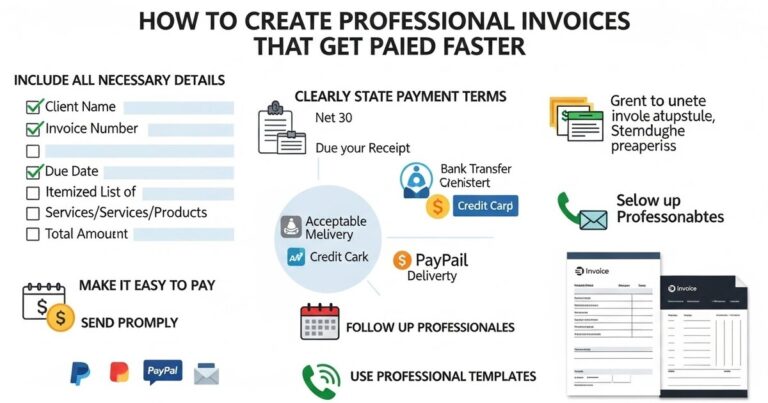
Invoicing and Payment Processing: Your software should allow you to create professional, customizable invoices and send them electronically. Critically, it should offer integrated online payment gateways, allowing clients to pay via credit card or bank transfer directly from the invoice. This dramatically accelerates cash flow. Assess the transaction fees and how easily payments are reconciled within the platform.
Expense Management: Look for tools that simplify expense capture, whether through mobile app receipt scanning, integration with corporate cards, or mileage tracking. The ideal system uses optical character recognition to read receipt data and automatically suggests categories, turning a shoebox of receipts into categorized data in minutes.
Tax Preparation Support: The software should track sales tax collected and paid if applicable, and easily generate reports for your accountant or for direct filing. It should be able to handle the necessary forms and categorize income and expenses in a way that aligns with tax requirements, making quarter end and year end processes far less stressful.
Beyond these pillars lie the strategic enhancements. These include advanced inventory management, project based costing and profitability tracking, sophisticated budgeting and forecasting modules, multi currency support, and robust role based user permissions. You may not need these at launch, but you should know if your chosen platform offers them for when you do.
The Ecosystem Imperative: Integration and Automation
No finance software is an island. It must communicate with the other tools in your business ecosystem. Its ability to do so is often more important than any single native feature.
Investigate the software’s integration capabilities. Does it offer pre built, stable connections to your ecommerce platform (like Shopify or WooCommerce), your payment processor (like Stripe or Square), your payroll service (like Gusto or OnPay), and your CRM (like HubSpot or Salesforce)? These integrations eliminate the need for manual data transfer, the most common source of errors and wasted time.
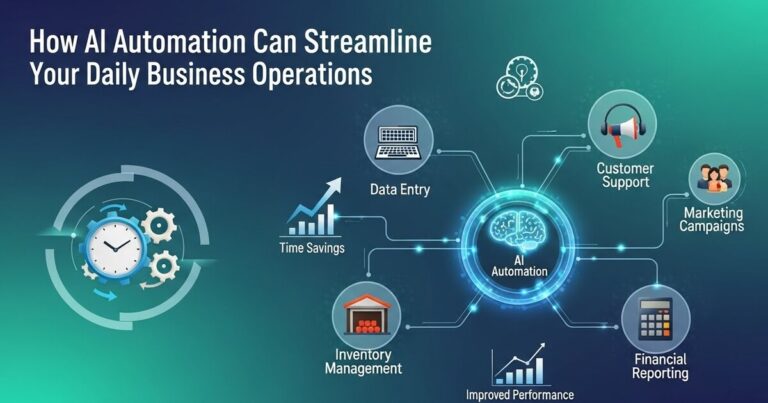
Furthermore, explore its compatibility with automation platforms like Zapier or Make. This can allow you to create custom workflows, such as automatically creating a new client in your finance software when a deal is marked “Closed Won” in your CRM, or sending a Slack notification when an invoice is paid. The software’s ability to function as part of a connected system is a key indicator of its modernity and scalability.
The Deployment Question: Cloud First Versus On Premise
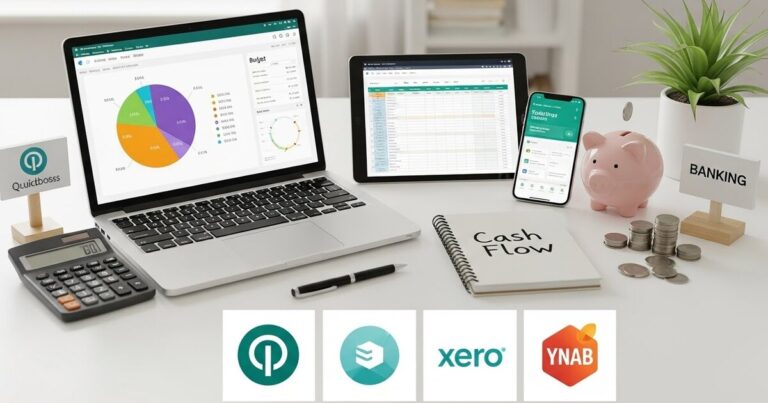
The industry standard for small and medium businesses is now unequivocally cloud based, or Software as a Service, platforms. A cloud system, like QuickBooks Online, Xero, or FreshBooks, offers access from any device with an internet connection, automatic updates, and robust data security and backup handled by the provider. It facilitates real time collaboration with your team and your accountant, who can access the books with appropriate permissions without needing to be in your office or handle physical files.
Legacy on premise software, installed on a single computer or server, is generally only advisable for businesses with extreme data sovereignty requirements or highly specialized needs that cannot be met by cloud providers. For virtually all other businesses, the accessibility, security, and collaborative nature of the cloud make it the superior and more future proof choice.
The Human Factor: Usability and Support
A system is only as good as people’s willingness and ability to use it. Therefore, user experience and support structures are critical evaluation criteria.
During free trials (which you must always utilize), pay close attention to the user interface. Is it intuitive and clean, or cluttered and confusing? Can you find key functions without resorting to a help manual? Test the process of creating an invoice, reconciling a bank transaction, and running a basic report. The daily experience should feel logical, not like solving a puzzle.
Equally important is the quality of support. Research the vendor’s customer service channels: live chat, phone support, email tickets. Read reviews about their responsiveness and helpfulness. What is their typical resolution time? Do they offer extensive knowledge bases, video tutorials, and community forums? When you are facing a crucial month end deadline and encounter an issue, the availability of expert, timely support is invaluable. Do not underestimate this factor.
The Financial and Practical Considerations
The decision is not purely functional; it must also be financially and practically sound.
Pricing Models: Understand the total cost of ownership. Most cloud software uses a monthly or annual subscription model, often tiered by features or number of users. Watch for add on costs for additional users, advanced reporting, or premium payroll services. Calculate the cost for the tier that meets your needs, not just the entry level price.
Data Portability: This is a frequently overlooked but vital question. Ask: If I choose to leave this platform, how do I get my data out? Can I easily export my complete financial records, including attachments and audit logs, in a universal format like CSV or through an API? A vendor that makes data export difficult is creating a form of lock in; your data belongs to you, and you must be able to take it with you.
The Implementation Journey: Consider the onboarding process. Does the vendor offer guided setup, data migration services from your old system (if applicable), or training resources? A smooth implementation gets you to value faster and reduces disruption.
The Decision Framework: A Methodical Selection Process
Armed with this knowledge, follow a structured process:
- Document Your Requirements: Create a simple spreadsheet. List your core pillars as “Must Haves” and your strategic enhancements as “Nice to Haves.” Include technical needs like user count and essential integrations.
- Compile a Shortlist: Based on your business size, industry, and core requirements, research 3-5 leading platforms. Seek recommendations from peers in your network, your accountant, and from reputable review sites.
- Engage with Trials: Sign up for the free trial of each shortlisted product. Do not just explore casually. Use your own business data (or realistic dummy data) to run through your most common and most critical workflows: issue an invoice, record an expense, reconcile a bank statement, generate a P&L.
- Involve Your Stakeholders: Have your bookkeeper, co founder, or key team member test the platforms as well. Their hands on experience may reveal dealbreakers or delights you missed.
- Consult Your Accountant: Your accountant or bookkeeper will be working with this system. Their preference and familiarity carry significant weight, as they can often provide deeper insight into a platform’s reporting robustness and compliance strengths.
- Make the Informed Choice: Weigh the factors: functionality, ecosystem fit, usability, support, and cost. The right choice will feel like a balance—it comfortably meets your non negotiable needs, elegantly connects to your other tools, fits within your budget, and presents a clear path for your anticipated growth.
Selecting your finance software is a strategic investment, not an administrative task. The right system provides more than numbers; it provides clarity. It transforms financial management from a reactive, historical record into a proactive, strategic dashboard. It gives you the confidence of knowing your financial position at any moment, empowering you to make decisions not from a place of guesswork, but from a foundation of solid, accessible data. By choosing wisely, you are not just buying a tool; you are installing the financial mind that will help guide your business toward its most prosperous future.