Using Business Credit Cards Strategically for Growth
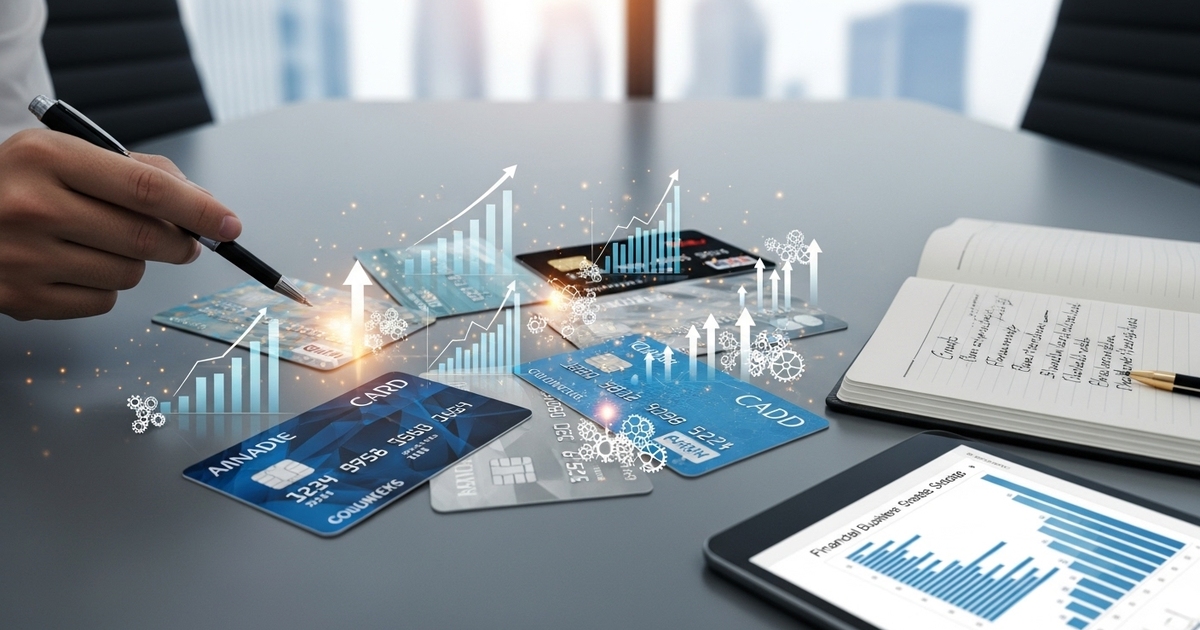
Let’s be honest. When you first get that shiny business credit card in the mail, it feels like a mix of freedom and danger.
On one hand, it’s a lifeline. You can finally buy that new laptop or pay for the software subscription without dipping into your personal checking account. On the other hand, we’ve all heard the horror stories. The founder who maxed out three cards to fund a failed marketing campaign. The business that’s paying 24% interest on office furniture they bought two years ago.
It’s easy to see business credit cards as the enemy—a trap designed to keep you in debt.
But here’s the thing: if you treat your business credit card like a debit card with superpowers, it becomes one of the most potent tools in your financial arsenal. It’s not about buying things you can’t afford. It’s about leveraging the bank’s money to smooth out your cash flow, earn rewards on money you were going to spend anyway, and build a credit profile that unlocks bigger financing down the road.
If you’re still using your card just for “emergencies,” you’re leaving money on the table. Let’s talk about how to flip the script and use credit strategically to fuel your growth.
The “Float”: Your Secret Cash Flow Weapon
Cash flow kills more businesses than bad ideas. You land a huge contract, but you have to pay for materials and labor now, while the client won’t pay you for 30 or 60 days. That gap is where businesses die.
This is where the “float” comes in.
When you put an expense on a credit card, you don’t actually pay for it until your bill is due. Depending on when you make the purchase in your billing cycle, that could be up to 50 days later.
Think about it this way:
- Day 1: You buy $5,000 of inventory on your card.
- Day 20: You sell that inventory for $8,000.
- Day 30: Your credit card statement closes.
- Day 50: Your payment is due. You pay the $5,000 in full.
In this scenario, you used the bank’s money for nearly two months, interest-free. You generated profit before you ever had to pay for the goods. That isn’t debt; that is smart cash flow management.
The key is discipline. You must have a plan to pay the balance in full every single month. If you carry a balance, the interest eats your profit, and the strategy fails.
Separating Church and State (Personal vs. Business)
I see so many new entrepreneurs using their personal Visa for business expenses because “it’s just easier.”
Please, stop.
Mixing personal and business expenses is a nightmare for your accountant (and for you come tax season). But beyond the headache, it hurts your growth potential.
Using a dedicated business card builds business credit history. Just like your personal FICO score helps you buy a house, your business credit score (like Dun & Bradstreet’s Paydex) helps you get bigger loans, better supplier terms, and lower insurance premiums.
If you ever want to apply for an SBA loan or secure a line of credit, the bank will look at your business credit profile. If you’ve been running everything through your personal card, your business looks like a ghost. It has no history.
Start building that track record today. Even buying office supplies and paying the internet bill on a business card starts to paint a picture of reliability.
The Rewards Game: Getting Paid to Spend
If you are spending $10,000 a month on ads, inventory, and travel, and you aren’t earning rewards, you are literally throwing money away.
Business credit cards offer sign-up bonuses and ongoing rewards that can significantly offset your costs. I know a business owner who funds her entire team’s annual retreat using points earned from their Facebook ad spend. Another uses cash-back rewards to pay for his accounting software.
How to optimize rewards:
- Identify your biggest expense categories. Do you spend more on travel, shipping, or digital advertising? Pick a card that offers 3x or 4x points in that specific category.
- Don’t ignore the sign-up bonus. Many cards offer $500 to $1,000 in value if you spend a certain amount in the first three months. If you have a big purchase coming up (like new equipment), time your application to hit that bonus.
- Cash is king. If you don’t want to mess with airline miles, get a flat-rate 2% cash-back card. It’s simple, and it goes straight to your bottom line.
Actionable Tips for Strategic Use
Ready to upgrade your credit card strategy? Here are five steps to implement this week.
1. Audit Your Recurring Payments Go through your bank statement. Move every business subscription (Slack, Zoom, Hosting, Utilities) to your business credit card. This simplifies your bookkeeping and racks up points on autopilot.
2. Set Up Auto-Pay (for the Minimum) Life gets busy. Set up an automatic payment for the minimum amount due just to ensure you never, ever miss a payment. A single late payment can tank your credit score and trigger penalty APRs. (Ideally, set it to pay the full balance, but at least cover your bases).
3. Negotiate Your Limit If you have been a good customer for 6 months, call the bank and ask for a credit limit increase. A higher limit lowers your “credit utilization ratio” (how much credit you use vs. how much you have), which boosts your credit score. Plus, it gives you more runway for emergencies.
4. Use Cards for Employee Spending Stop reimbursing employees for expenses. Issue them employee cards with set spending limits. You get the points, you get real-time visibility into spending, and you eliminate the hassle of expense reports.
5. Review Your “0% APR” Options If you need to make a large capital investment—say, renovating your office or buying a new truck—look for a card with an introductory 0% APR offer (often 12-18 months). This is essentially an interest-free loan. Just be 100% sure you can pay it off before the promo period ends, or you’ll get hit with retroactive interest.
When to Put the Card Away
Strategic use is great, but there are times when using a credit card is a bad move.
- Payroll: Never pay employees with a credit card (via cash advance or third-party services). The fees are exorbitant. Use a proper payroll system or a line of credit if cash is tight.
- Long-Term Debt: If you need money for 3-5 years, a credit card is the wrong tool. The interest rates are too volatile. Look into term loans or equipment financing instead.
- Suppliers Who Charge Fees: If a vendor charges a 3% “convenience fee” to pay by card, do the math. If your rewards only earn you 2%, you are losing money on the transaction. Pay by check or ACH.
The Bottom Line
A business credit card is a power tool. Used carelessly, you can lose a finger. Used with skill, you can build a house.
Shift your mindset. Stop looking at your credit card as a way to buy things you can’t afford. Start looking at it as a financial buffer, a rewards generator, and a credit-building machine.
When you master this, you aren’t just spending money; you are making your money work harder for you.
Want to get your financial house in order? Before you ramp up spending, make sure you have a solid forecast in place. Check out our guide on creating a 12-month cash flow forecast so you can spend with confidence.