
ICONIC BUSINESS OWNER · GROWTH
What does growth look like for your business?
It might mean bringing in your first employee, opening a second location or taking a week away while the business runs without you. Start with the decision in front of you.
Explore the growth guides ↓Choose your starting point
Build the foundations. If every decision comes back to you, document one recurring job, choose a number to track and decide who could take on the work. Make a 90-day plan or prepare for your first hire.
Expand what works. If demand is growing, check whether cash, people and suppliers can keep up. Compare funding options, explore a new market or review pricing and customer value.
Prepare for a transition. If you want to step back, identify what a successor would need to run the business. Explore succession, franchising and valuation.
Can you afford your first employee?
Compare the full cost of a hire with the revenue available to support it. Use the result to decide whether to hire now or set a target for later.
Open the first employee calculator →Growth guides and planning resources
Open a topic for its planning resources and templates, or choose an article below it.

Hiring and team building
Decide what work to hand over and what you can afford to pay.

Funding and cash reserves
Estimate how much cash growth will use before choosing a funding source.

Planning the next 90 days
Turn one annual goal into a quarterly milestone with a named owner.

Entering a new market
Check whether your suppliers, delivery times and margins can support another location.
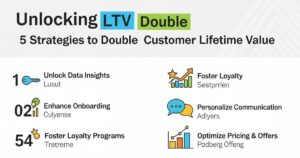
Growing customer revenue
Decide whether the next growth dollar belongs in acquisition, retention or a better offer.

Succession, franchising and sale
Explore how the business could operate under another owner or in another location.
Five numbers to bring to your next growth decision
- Revenue growth rate
- How much did sales change compared with the previous month or the same period last year? For a seasonal business, compare like seasons.
- Customer lifetime value
- Estimate the value a customer brings across the relationship. Be clear whether you’re measuring revenue or gross profit before comparing it with acquisition costs.
- Customer acquisition cost
- Divide acquisition spending by the number of new customers it brought in. Which channels bring customers back for a second purchase?
- Gross profit margin
- After the direct cost of delivering a product or service, what share of each sales dollar is left? Check whether discounts or higher supplier costs are eating into it.
- Cash conversion cycle
- For a business carrying stock, add inventory days and customer payment days, then subtract supplier payment days. A longer cycle can leave cash tied up even as sales rise.
Explore the finance calculators or browse the small business toolkit.