Email Newsletter Best Practices for Higher Open Rates
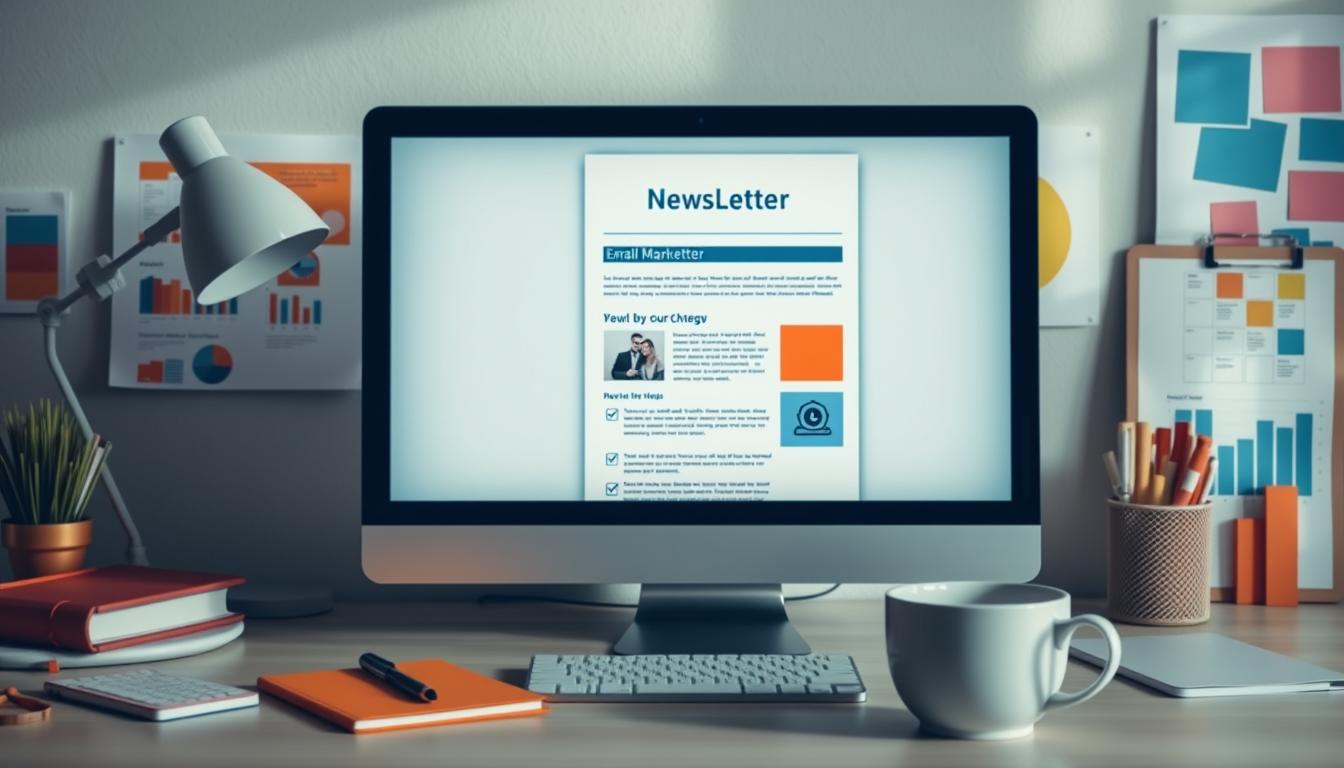
Imagine sitting at your desk, ready to send out an exciting email newsletter. You’ve worked hard to make it engaging for your subscribers. But when you check the open rates, you’re disappointed. The numbers are low, and you wonder what went wrong.
Getting those open rates right is key in email marketing. To do better, you need to know the best practices. Things like making your subject lines catchy and keeping your email list clean can help a lot. With the right strategies, your newsletters can get more attention and encourage people to dive into your content.
Want to make your email newsletters more effective? There are proven ways to connect better with your audience. Learn more about email newsletter best practices to boost your open rates today.
Key Takeaways
- Craft compelling subject lines to capture attention.
- Utilize pure education content over promotional material for better engagement.
- Maintain an engaged email list to improve overall performance.
- Segment your audience for targeted messaging that resonates.
- Regularly analyze data to refine your content strategy.
Understanding Email Open Rates
Email open rates are key to measuring email marketing success. Comparing these rates to industry benchmarks helps marketers find the best strategies. Open rates vary widely, from 15% to over 40%, depending on the industry.
Industry Benchmarks for Open Rates
Industry benchmarks give insights into good email open rates. For example:
| Industry | Average Open Rate |
|---|---|
| Casino | 15% to 25% |
| Legal Settlement Emails | Above 30% |
| Franchise | 20% to 30% |
| Cannabis | 15% to 25% |
| Crypto | 15% to 20% |
| Retail | 15% to 20% |
| Publishing | 20% to 30% |
| Non-Profit | 25% to 40% |
| Technology and SaaS | 20% to 30% |
| Healthcare | 20% to 25% |
Factors Influencing Open Rates
Several factors affect email open rates. These include:
- Subject lines: Catchy subject lines grab attention.
- Sender name recognition: Knowing the sender makes people more likely to open.
- The relevance of content: Valuable content encourages engagement.
It’s also important to understand the difference between transactional and marketing emails. By monitoring these, marketers can align their efforts with industry standards. This helps improve campaign performance by focusing on key factors.
Email Newsletter Best Practices
Using email newsletter best practices can really help your communication. Focus on key areas like subject lines, sender names, and keeping your list active. Each part is important for making your newsletters better.
Importance of Subject Lines
Subject lines are the first thing people see. They should be short, between 30 and 50 characters, so they show up fully on phones. Using one emoji can make them more appealing. But, personalizing them with merge tags can really boost open rates.
Focus on Sender Name Recognition
A known sender name can make a big difference. It can increase open rates by up to 50%. A consistent sender name builds trust and makes a good first impression. This encourages people to open more emails from you.
Maintaining a Clean and Engaged List
Keeping your email list clean and active is key. Remove inactive subscribers to improve engagement. Segmenting your list helps send emails that match what people are interested in. This makes your messages more relevant.
Optimizing Subject Lines for Higher Open Rates
Creating effective subject lines is key to better email marketing results. A good subject line should be short but interesting. It needs to grab attention in a crowded inbox. Using personal touches, creating a sense of urgency, and testing different versions can really help.
This section will show you how to make great subject lines. We’ll also talk about the importance of A/B testing for better performance.
Top Techniques for Crafting Subject Lines
There are many ways to make subject lines more effective. Here are some important ones:
- Keep it Concise: Try to keep subject lines under 50 characters. This ensures they show up fully, especially on mobiles where 43% of subscribers check their inbox.
- Utilize Personalization: Adding the recipient’s name or recent purchase can boost engagement. For example, offering promotions can increase interest by 10%.
- Incorporate Power Words: Words like “hidden” or “top 10” can spark curiosity and FOMO. This can encourage more opens.
- Avoid Spam Triggers: Stay away from spammy words like “FREE CASH.” Avoid too many capital letters to keep emails out of spam folders.
- Leverage Action Verbs: Using action verbs like “act now” creates a sense of urgency. This can lead to quicker opens.
The Power of A/B Testing
A/B testing is a crucial part of email marketing. It helps find the best subject lines for your audience. This can lead to higher open rates and better engagement.
Tools like Refine can predict open rates based on your inputs. This helps marketers make smart choices. Some companies have seen their open rates triple by improving their subject lines through A/B testing.
Regularly testing and adjusting subject lines based on A/B testing results is key. It keeps your emails engaging and your subscribers interested.
| Technique | Benefit | Example |
|---|---|---|
| Conciseness | Increased visibility on mobile devices | “Last Chance to Save!” |
| Personalization | Enhanced engagement rates | “[First Name], Your Special Offer Awaits!” |
| Power Words | Evokes curiosity and urgency | “Discover the Hidden Gems Today!” |
| Avoiding Spam Triggers | Improved deliverability | “Limited Time Offer – Don’t Miss Out!” |
| A/B Testing | Identifies effective subject line styles | “Unlock Savings!” vs. “Grab Your Savings Now!” |
Creating Message Relevance Through List Segmentation
List segmentation is key to making messages more relevant. It helps drive the success of email marketing campaigns. By grouping recipients based on specific criteria, marketers can send messages that meet each group’s needs and interests. This approach boosts engagement and improves open and conversion rates.
Benefits of Segmenting Your Email List
Segmenting your email list has many benefits for email marketing success:
- Increased open rates and click-through rates
- Higher conversion rates and return on investment (ROI)
- Decreased unsubscribe rates
- Minimized chances of triggering spam filters
Personalized emails from strategic segmentation make customers happier. This can lead to brand loyalty.
Data Points for Effective Segmentation
Effective segmentation uses various data points for targeted campaigns. Some key methods include:
| Segmentation Method | Description |
|---|---|
| Demographic | Segmentation based on factors like age, gender, location, and job title. |
| Behavioral | Analyzing purchase history, website activity, and email engagement to track customer behavior. |
| Lifecycles | Grouping subscribers according to their stage in the buyer’s journey. |
| Preferences and Interests | Identifying user interests through surveys and engagement metrics. |
| Psychographic | Utilizing lifestyle, hobbies, or values to create more relatable content. |
Strategies to Avoid Spam Filters
To make sure emails get to the right inbox, it’s key to avoid spam filters. A good sender reputation is crucial. It shows email providers you’re trustworthy. This can help more emails get delivered, making your campaigns more successful.
Improving Sender Reputation
Keeping a good sender reputation means staying active and following email marketing rules. Remove inactive emails to avoid complaints. Also, focus on growing your list naturally to boost open rates.
Using a business domain looks more professional to email providers. Adding DKIM and SPF records helps fight spam. Segmenting your list for targeted emails also keeps more people engaged.
Best Practices to Ensure Deliverability
To get your emails to the right place, make your content clear and spam-free. Avoid words like “100% free” to avoid spam flags. Also, keep your emails mostly text to increase the chance of reaching the inbox.
Linking to domains with good reputations is important. Using a reliable email service provider and focusing on engagement can also help. These steps can improve your sender reputation and keep your emails effective.
If your current platform makes this difficult, compare email marketing services against the features your business actually needs.
For more tips on beating spam filters, check out these email deliverability strategies.
Timing Your Email Sends for Maximum Impact
Timing your email sends right can really boost engagement and open rates. Each industry has its own best times to send emails. Knowing these times helps marketers send emails at the perfect moment.
Ideal Send Times for Different Industries
To get high open rates, it’s key to know the best times to send emails. Here are some insights from different industries:
| Industry | Best Days | Optimal Send Times | Comments |
|---|---|---|---|
| B2B | Tuesday-Thursday | 9 AM – 11 AM | Professionals check emails most during work hours, especially midweek. |
| B2C | Fridays | Evenings | People engage more during free time, especially before the weekend. |
| Healthcare | Weekdays | Early mornings, late evenings | Flexible hours mean people check emails when it’s not busy. |
| Travel | Fridays | Afternoons | Good for planning weekend trips and bookings. |
| Leisure | Weekends | Mid-morning | People plan more on weekends, so engagement goes up. |
Utilizing Data to Determine Timing
Looking at past email performance can help improve send times. Check open rates and click-through rates often. Try sending emails at different times to see when your audience responds best. This way, you can make your email timing better, leading to more success in your campaigns.
The Role of Engaging Content in Email Newsletters
Engaging content is key to email newsletter success. It delivers valuable and relevant info, grabbing subscribers’ attention. This approach boosts interaction and is used by 73% of B2B marketers.
Knowing how to craft compelling content boosts open rates and keeps people interested. This is crucial for email newsletter success.
Creating Valuable and Relevant Content
Unique and thoughtful content makes newsletters stand out. Companies like Birchbox offer discounts to attract subscribers. This strategy is effective, with newsletters ranking third in email effectiveness.
They have an average open rate of 26.7%. This shows the value of offering significant content in newsletters.
Incorporating Visuals for Better Engagement
Adding visuals to newsletters boosts engagement. Images and videos grab attention and convey messages well.
Statistics show that 74% of baby boomers and 64% of millennials see email as personal marketing. This underlines the need for tailored visuals. A mix of visuals and text can increase click-through rates and reduce unsubscribes.
For example, sending one newsletter a week can lead to a 38.21% open rate. This shows the power of engaging content.
Measuring Success: Analyzing Open Rates and Engagement
Knowing how well your email campaigns do is more than just looking at open rates. Good metrics tracking looks at click-through rates, how engaged recipients are, and bounce rates. These numbers give marketers key insights to improve their strategies and future campaigns.
Key Metrics to Track Beyond Open Rates
Email metrics give a full view of how well campaigns are doing. Key metrics include:
- Open Rate: Shows the percentage of subscribers who opened an email.
- Click-Through Rate (CTR): Measures how many people clicked links in your email.
- Click-to-Open Rate (CTOR): Reveals how many opened and clicked, showing content relevance.
- Bounce Rate: Tells you how many emails didn’t reach the recipient.
- Engagement Over Time: Looks at trends in opens and clicks, showing long-term audience interaction.
Adjusting Your Strategy Based on Analytics
It’s important to adjust your email strategy based on data to boost engagement. Here are some tactics:
- Check open and click rates to find top-performing content.
- Split audiences based on engagement, tailoring messages for each group.
- Send emails when subscribers are most likely to be active.
- Use feedback and trends from past campaigns to shape future strategies.
Tools like Mailchimp, Constant Contact, and Sendinblue help dive deep into engagement data. Adding Google Analytics can track how newsletters affect broader marketing, leading to ongoing improvement.

| Metric | Calculation | Purpose |
|---|---|---|
| Open Rate | (Emails Opened / Emails Delivered) x 100 | Measures effectiveness of subject lines and timing. |
| Click-Through Rate (CTR) | (Emails Clicked / Emails Delivered) x 100 | Reflects content engagement and CTA effectiveness. |
| Bounce Rate | (Bounced Emails / Emails Sent) x 100 | Indicates the health of your email list. |
| Unsubscribe Rate | (Unsubscribes / Emails Delivered) x 100 | Shows potential dissatisfaction or list quality issues. |
By focusing on these metrics, marketers can better understand their audience and continually improve their strategies. The link between data analysis and successful email campaigns is strong. Success depends on making informed decisions based on solid data.
Conclusion
Using the best email newsletter practices is key to getting more people to open your emails. Focus on making your subject lines catchy and segment your lists to make your messages more relevant. This way, you can really boost your email marketing game.
Studies show that when subject lines match what people are interested in, they get more involved. This highlights the need to create content that really speaks to your subscribers. It’s all about making your emails personal and engaging.
Using personalized touches and eye-catching visuals can also make a big difference. With 81% of B2B businesses seeing newsletters as a top marketing tool, using these strategies can help you build a loyal customer base. Staying up-to-date with the latest trends in email marketing is crucial to stay ahead.
Try out new things like A/B testing, using emojis, and different content types to keep your newsletters exciting. Always looking to improve your email campaigns will help you keep your clients engaged and loyal in today’s competitive market.