The Legal Lattice: Building a Secure Foundation for Your Small Business
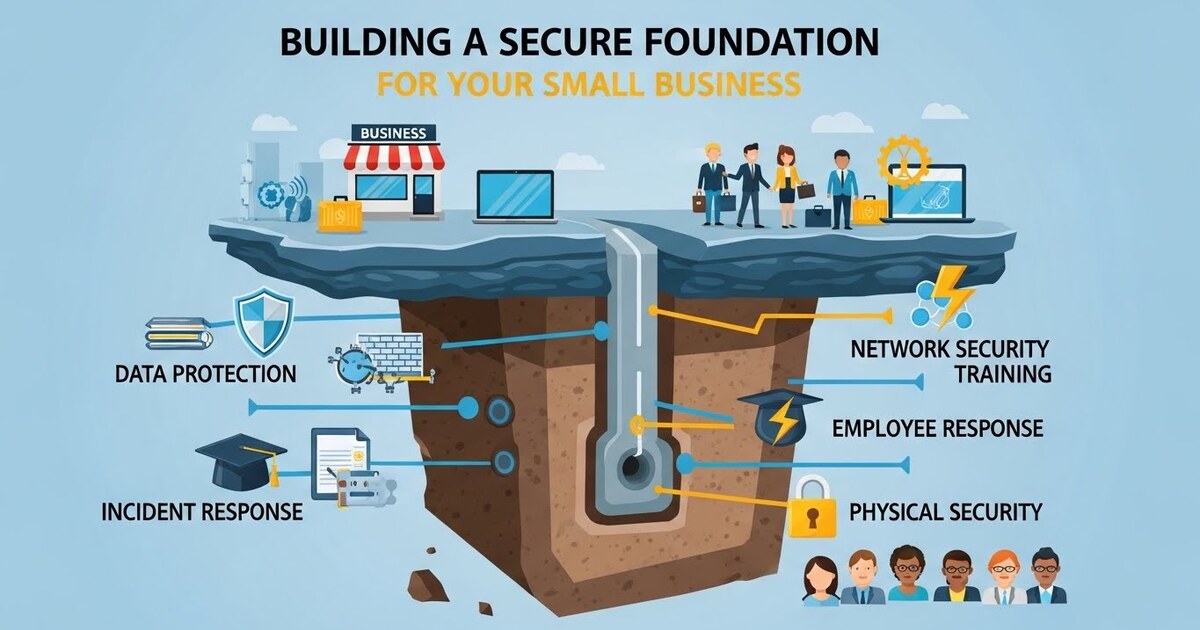
For the small business owner, the legal landscape can feel like a dense, foreign forest. It is easy to view legal matters as an arcane domain of fine print and prohibitive costs, a confusing thicket to be avoided until absolutely necessary. This instinct, while understandable, is perilous. In business, what you do not know can irrevocably harm you. Legal knowledge is not about fostering paranoia; it is about building a lattice—a strong, supportive framework that allows your creative and commercial ambitions to climb safely. It is the essential work of defining the playing field, understanding the rules, and mitigating risk so you can focus on growth with confidence. This guide outlines the fundamental legal concepts every small business owner must grasp, transforming the complex forest into a navigable map.
Choosing Your Business Structure: The Bedrock Decision
Your first and most consequential legal choice is selecting your business structure. This is not merely an administrative detail; it defines your personal liability, how you pay taxes, and your ability to raise capital. The decision creates the legal “personality” of your enterprise.
Sole Proprietorship
This is the simplest, default structure. There is no formal creation process beyond any required local licenses. You and the business are legally the same entity. All profits flow to your personal tax return, and you have complete control. However, you also bear unlimited personal liability. If the business is sued or incurs debt, your personal assets—your home, car, savings—are at risk. This structure is suitable for very low risk, part time ventures but becomes dangerous as the business grows.
Partnership
A partnership involves two or more people co-owning a business. In a general partnership, like a sole proprietorship, the owners share profits and have unlimited personal liability for the business’s debts and legal obligations. A limited partnership (LP) or limited liability partnership (LLP) offers some partners protection from personal liability, but these require formal registration. Crucially, a detailed partnership agreement, drafted by a lawyer, is non-negotiable to outline ownership shares, decision making, profit distribution, and dissolution terms. Without it, you are inviting future conflict.
Limited Liability Company (LLC)
The LLC is the most popular structure for modern small businesses for good reason. It creates a separate legal entity, providing a crucial shield: limited personal liability. Your personal assets are generally protected from business lawsuits and debts. An LLC also offers “pass through” taxation, where profits and losses pass to the owners’ personal tax returns, avoiding corporate double taxation. It is more formal than a sole proprietorship, requiring articles of organization and an operating agreement, but it provides a vital balance of protection and flexibility.
Corporation (C Corp or S Corp)
A corporation is a fully independent legal entity, separate from its owners (shareholders). It offers the strongest personal liability protection. A C Corporation is subject to corporate income tax, and then shareholders are taxed again on dividends, leading to “double taxation.” An S Corporation is a special tax designation that allows profits and losses to pass through to shareholders’ personal tax returns, avoiding double taxation, but with stricter eligibility rules (e.g., a limit on the number of shareholders). Corporations involve significant formalities: issuing stock, holding director and shareholder meetings, and keeping meticulous records. This structure is typically for businesses planning to seek significant outside investment or go public.
Choosing the right structure is a decision that requires weighing liability, tax implications, and administrative burden. Consulting with both a business attorney and an accountant before you begin operations is a wise investment.
The Non Negotiables: Licenses, Permits, and Tax Identity
Once your structure is set, you must legitimize your business in the eyes of the government. This process is bureaucratic but foundational.
Business Licenses and Permits
Nearly all businesses require some form of license or permit to operate legally. These can come from the city, county, state, or federal level. A general business operation license from your city or county is common. Depending on your industry, you may need specialized professional or occupational licenses (e.g., for contractors, cosmetologists, or therapists). If you sell physical goods, a seller’s permit from your state allows you to collect sales tax. Health permits, zoning permits, and home occupation permits are other frequent requirements. Failure to secure the proper licenses can result in fines, penalties, and being forced to cease operations.
Employer Identification Number (EIN)
Think of this as a Social Security Number for your business. Issued by the Internal Revenue Service, an EIN is a unique nine digit number used to identify your business entity for tax purposes. You will need it to open a business bank account, hire employees, and file business tax returns. Even if you are a sole proprietor with no employees, obtaining an EIN is wise to avoid using your personal Social Security Number on business documents, enhancing your privacy and security.
The Art of the Agreement: Contracts as Preventative Medicine
In business, your relationships are defined by contracts. A contract does not signal distrust; it is a tool for creating clarity and preventing misunderstandings. It memorializes the meeting of the minds.
Essential Contract Elements
A legally binding contract requires an offer, acceptance, and consideration (something of value exchanged). For business purposes, key contracts should always be in writing. Critical components include a clear description of the scope of work or goods, payment terms and schedule, timelines and deadlines, confidentiality clauses, terms for termination, and a dispute resolution mechanism.
Common Must Have Agreements
Every business should have standard templates, reviewed by an attorney, for common interactions. A Client Service Agreement outlines exactly what you will deliver, when, and for what payment. An Independent Contractor Agreement is vital when hiring freelancers; it clarifies they are not an employee, defines the work product, and protects your intellectual property. If you have partners, the Operating Agreement (LLC) or Partnership Agreement is your internal rulebook. Even a simple Non Disclosure Agreement (NDA) can protect your business ideas when discussing them with potential partners or vendors.
Never rely on a verbal agreement or a handshake for anything substantial. The time and cost of a well drafted contract are minuscule compared to the cost of litigation over a misunderstanding.
Safeguarding Your Intellectual Property: Your Invisible Assets
Your business’s value often lies not in physical inventory, but in intangible creations: your business name, logo, original products, and proprietary processes. These intellectual property (IP) assets must be identified and protected.
Trademarks
A trademark protects names, slogans, logos, and symbols that identify the source of your goods or services (your brand identity). You establish “common law” rights simply by using a mark in commerce, but these are limited geographically. Registering a trademark with the United States Patent and Trademark Office provides nationwide protection, a legal presumption of ownership, and the exclusive right to use the mark. Conduct a thorough search before settling on a business name or logo to avoid infringing on someone else’s mark.
Copyrights
Copyright protects original works of authorship fixed in a tangible medium, such as website copy, marketing materials, photographs, software code, and product designs. Protection is automatic upon creation, but registering your copyrights with the U.S. Copyright Office is necessary to sue for infringement and to claim statutory damages.
Patents
Patents protect inventions, granting the owner the exclusive right to make, use, or sell the invention for a limited time. The patent process is complex, expensive, and slow, requiring the help of a specialized attorney. It is generally for truly novel products or processes.
Trade Secrets
A trade secret is confidential business information that provides a competitive advantage, like a customer list, recipe, or manufacturing process. Protection requires taking reasonable steps to keep the information secret, such as using NDAs and limiting internal access.
Navigating the Employer Landscape: Rules for Hiring Help
The moment you hire your first employee or contractor, you enter a new realm of legal obligations.
Employee vs. Independent Contractor
Misclassifying a worker is a serious and common error. An employee is under your control regarding what, how, and when work is done. You withhold taxes, pay unemployment insurance, and may provide benefits. An independent contractor controls how they complete the work. They invoice you, pay their own taxes, and use their own tools. The Internal Revenue Service and state labor departments use strict tests to determine status. If you misclassify an employee as a contractor, you can be held liable for back taxes, penalties, and benefits. When in doubt, err on the side of hiring as an employee or seek legal guidance.
Key Employer Obligations
If you have employees, you must obtain workers’ compensation insurance, withhold and pay payroll taxes (Social Security, Medicare, federal and state income tax), comply with wage and hour laws (minimum wage, overtime), and adhere to workplace safety and anti discrimination laws. You are also required to verify an employee’s eligibility to work in the U.S. using Form I-9. Creating an employee handbook, even a simple one, that outlines company policies on conduct, leave, and complaints is a prudent risk management step.
The Proactive Posture: Risk Management and Insurance
Legal awareness is, at its core, about managing risk. Proactive measures are your best defense.
Business Insurance
Insurance transfers specific financial risks to a third party. General liability insurance is fundamental, protecting against claims of bodily injury or property damage caused by your business. Professional liability insurance (errors and omissions) is crucial for service based businesses, covering claims of negligence or inadequate work. If you have employees, workers’ compensation is legally required. Commercial property insurance protects your physical assets. A Business Owner’s Policy (BOP) often bundles these coverages at a reasonable rate.
Asset Protection Strategies
Maintaining the “corporate veil” of an LLC or corporation is essential. This means treating the business as a separate entity: have a dedicated business bank account, never commingle personal and business funds, keep thorough financial records, and formally document major business decisions. Piercing the corporate veil—where a court ignores the business structure and holds owners personally liable—can happen if you fail to observe these formalities.
Knowing When to Seek Counsel
A small business owner cannot be an expert in all things. Your role is to recognize legal red flags and know when to call a professional. Engage a business attorney for foundational work: choosing your structure, drafting key contracts, reviewing leases, and setting up employee frameworks. Consult them before signing any complex agreement. Use an accountant for tax structuring, payroll setup, and financial compliance. View these professionals not as expenses, but as strategic partners who protect the enterprise you are building.
Building your business upon this legal lattice is an act of profound responsibility. It shifts your mindset from hoping for the best to planning for reality. It replaces vulnerability with preparedness. By understanding these basics, you do more than comply with rules; you construct a durable platform for sustainable growth. You ensure that the energy you pour into your vision is guarded by a framework strong enough to support its success.