Payment Management Systems That Improve Cash Collection
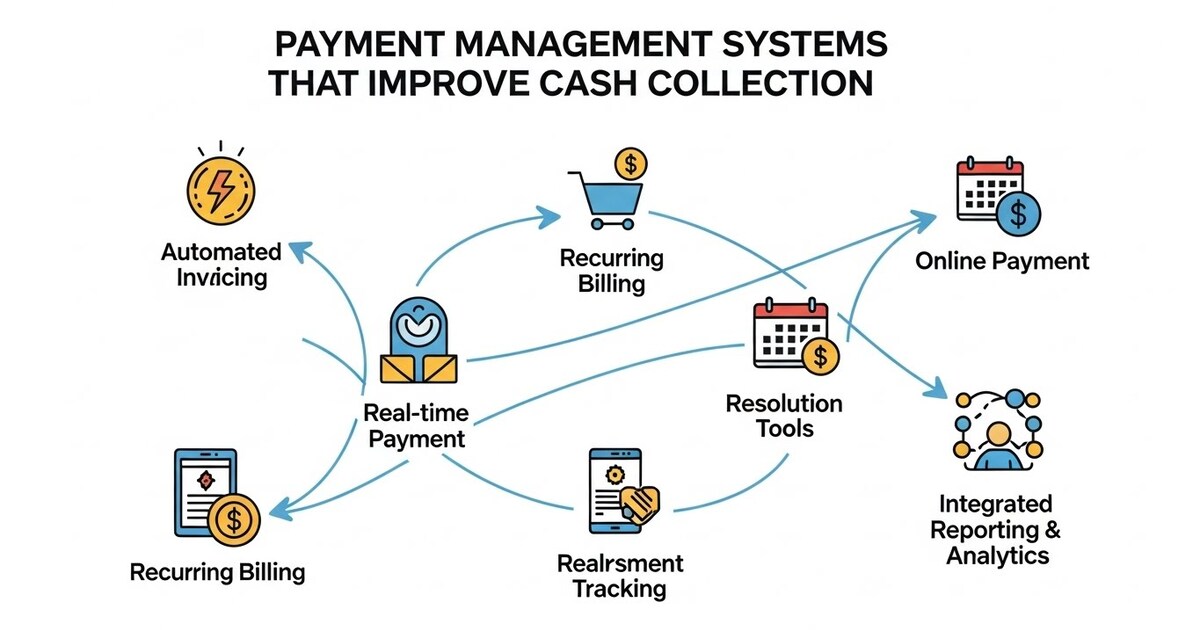
For a small business, cash collection is not an administrative afterthought; it is the critical, often erratic, heartbeat of operations. A sale is merely a promise until the payment clears. The chasm between delivering value and receiving funds is where growth stalls and stress thrives. Traditional invoicing—sending a PDF and hoping a check arrives in 30 days—is a passive, fragile system. Modern payment management is its antithesis: an active, intelligent, and automated strategy designed to make receiving money the most seamless part of your customer journey. This is not about being a more aggressive collector; it is about engineering a system that eliminates friction, anticipates delays, and aligns your client’s ease of payment with your own need for liquidity. By implementing the right systems, you transform cash collection from a reactive chase into a predictable, positive rhythm.
The Foundational Shift: From Invoice to Transaction
The first principle is to stop thinking in terms of “sending invoices” and start thinking in terms of “initiating transactions.” An invoice is a request. A transaction is an action. Your goal is to design every customer touchpoint to facilitate the action of payment as effortlessly as possible. This requires a system that integrates payment collection into the natural flow of your business operations, making it the logical, immediate next step.
System One: The Integrated Online Invoice
The single most impactful upgrade is moving from static invoices to interactive, payment enabled invoices. This system turns a document into a portal.
How it Works: Using a platform like QuickBooks Online, FreshBooks, Zoho Invoice, or Wave, you create an invoice as usual. The software then generates a unique link and embeds a “Pay Now” button directly on the PDF. You email the invoice. The client opens it and can click to pay instantly via credit card, ACH bank transfer, or digital wallet without leaving the document.
Why it Improves Cash Collection:
- Eliminates Friction: It removes all steps between viewing the bill and settling it. No need to log into a bank portal, write a check, find a stamp, or mail an envelope.
- Accelerates the Cycle: The standard 30-45 day payment cycle collapses to 2-5 days. The client acts while the invoice is top of mind.
- Professionalizes the Process: It signals that your business operates with modern, efficient systems, increasing trust and reducing subconscious hesitation.
System Two: The Automated Recurring Billing Engine
For subscription services, retainers, or installment plans, a “set and forget” recurring billing system is non-negotiable. It collects cash predictably while you sleep.
How it Works: Tools like Stripe Billing, Chargebee, or the recurring billing features within your accounting software allow you to set up a payment plan for a client. You store their authorized payment method once. The system then automatically charges the card or initiates the bank transfer on a predetermined schedule (monthly, quarterly, annually). It sends the invoice/receipt automatically and retries failed payments using smart logic.
Why it Improves Cash Collection:
- Predictability: Cash flow becomes a known variable. You can forecast revenue with high accuracy.
- Zero Administrative Overhead: You never forget to bill, and the client never forgets to pay. The system handles the entire lifecycle.
- Reduces Churn: Smooth, automated payments create a seamless customer experience. The friction of manual renewal is eliminated.
System Three: The Digital Payment Portal and Customer Self-Service
Empower your clients to view their account status and make payments on their own schedule through a branded, secure portal.
How it Works: Platforms like Melio, Bill.com (for vendors, but the concept applies), or advanced features in QuickBooks Online allow you to invite clients to a secure portal. Here, they can view all outstanding invoices, see payment history, download past statements, and make immediate payments. This is especially powerful for businesses with multiple ongoing transactions with the same client.
Why it Improves Cash Collection:
- 24/7 Accessibility: Clients can settle their accounts outside of your business hours, accommodating their workflow.
- Transparency: It reduces the “I didn’t get the invoice” excuse. The client has a single source of truth for their financial relationship with you.
- Reduces Support Burden: It deflects simple account status and payment questions away from your team.
System Four: The Proactive Communication and Reminder Automator
Silence is the enemy of collection. A systematic, polite, and automated communication sequence keeps your invoice present and prioritized.
How it Works: Your invoicing software isn’t just for sending the initial bill. Configure its automated reminder rules. A typical sequence might be:
- A polite reminder email sent 3 days before the due date.
- A first notice sent 2 days after the due date.
- A second, firmer notice with a updated invoice including a stated late fee, sent 7 days after the due date.
These emails are sent automatically, with no emotional labor or memory required from you.
Why it Improves Cash Collection:
- Consistency: Clients learn you have a professional, non-negotiable system.
- Timeliness: Gentle nudges arrive before a minor delay becomes a major delinquency.
- Documentation: Creates a clear audit trail of communication, which is valuable if further action is needed.
System Five: The Real-Time Reporting and Alert Dashboard
You cannot manage what you cannot see. A payment management system provides a live dashboard that acts as your collection command center.
How it Works: When all your payments flow through a centralized system (e.g., your accounting software connected to Stripe and your bank), you gain a real-time view. The dashboard shows: Cash Collected Today, Outstanding Accounts Receivable (A/R), A/R Aging Report (grouping invoices by how late they are: 1-30 days, 31-60 days, etc.), and Key Metrics like Average Days to Pay.
Why it Improves Cash Collection:
- Focuses Effort: The aging report tells you exactly which clients to contact and in what priority. You spend time chasing the right debts.
- Measures Performance: You can see if your new “Pay Now” button is reducing your Average Days to Pay from 45 to 15.
- Provides Business Intelligence: Trends in late payment can signal issues with specific clients, service lines, or your own terms.
Orchestrating the Symphony: How to Implement Your System
This is not about using five separate apps. The power comes from integration. Choose a core hub (like QuickBooks Online or Xero) and connect specialized tools to it.
- Choose Your Core Hub: Select a robust cloud accounting platform that offers strong invoicing, online payments, and automation features as your foundation.
- Enable Every Payment Link: Turn on the online payment gateway in your hub (e.g., connect Stripe or your bank’s merchant services). Make “Pay Now” the default on every single invoice.
- Automate the Routine: Set up automated recurring billing for all subscription clients. Configure the automated reminder sequence for all one-time invoices.
- Connect for Insight: Use your hub’s dashboard as your daily financial pulse check. Review the A/R Aging report weekly.
- Escalate Strategically: For clients in the 60+ day column, your system has done its job. Now, human judgment takes over with a direct phone call to resolve any disputes or issues.
By weaving these systems together, you build a cash collection engine that works proactively on your behalf. It respects your client’s time by making payment effortless, and it respects your business’s needs by making cash flow visible and predictable. You transition from a reactive collector, wondering where the money is, to a proactive financial manager, confidently steering a business with a strong, steady, and well managed cash pulse. In the end, superior cash collection isn’t about demanding payment—it’s about designing an experience where payment is the natural, easy, and immediate conclusion of a job well done.