Networking for Introverts: How to Build Partnerships in Your Local Area
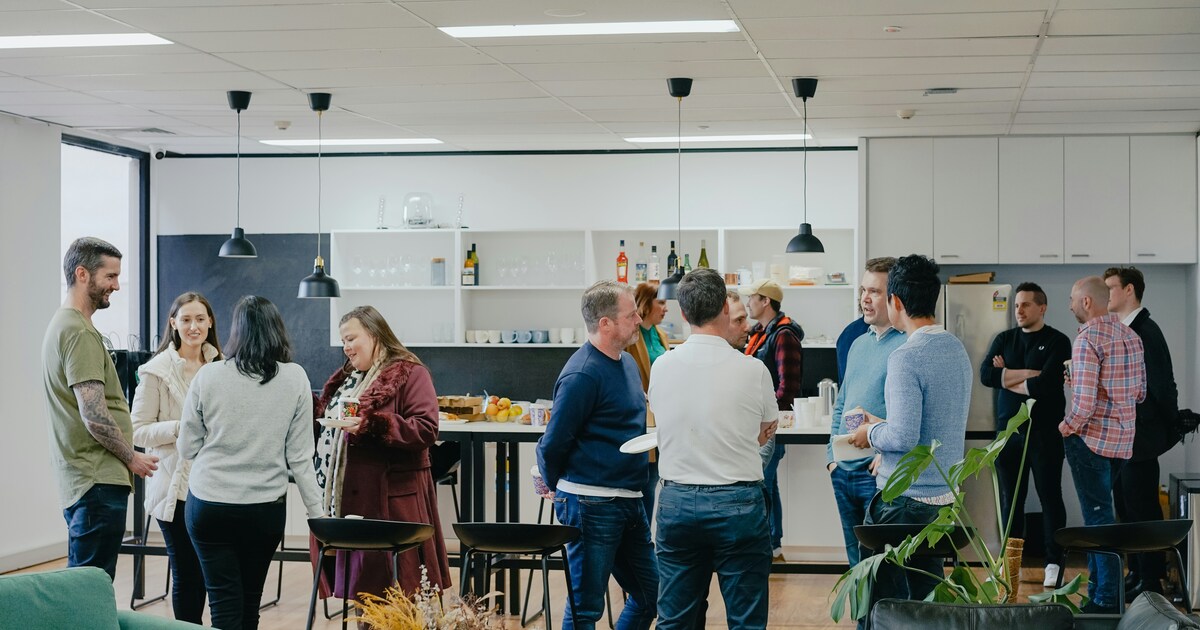
The word “networking” often triggers a visceral reaction in introverts. It conjures images of crowded hotel ballrooms, lukewarm white wine, sticky name tags, and the exhausting pressure to make small talk with strangers who are scanning the room for someone more important.
If that is your definition of networking, it is no wonder you hate it.
But here is the secret: That style of networking is outdated, inefficient, and frankly, largely ineffective for everyone not just introverts. The “spray and pray” method of handing out 50 business cards rarely leads to meaningful revenue.
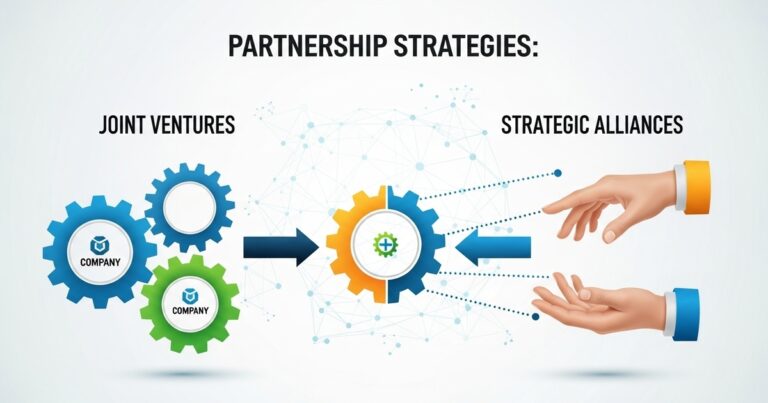
True business growth comes from Strategic Partnerships deep, mutually beneficial relationships with a few key allies. And this is where introverts have a distinct biological advantage. Introverts are natural listeners, deep thinkers, and observers. They prefer depth over breadth.+1
This guide is not about how to “fake it” or how to become the life of the party. It is about leaning into your natural strengths to build a local empire of referrals, without burning out your social battery.
Phase 1: Reframing the Game (Quality Over Volume)
The extrovert model of networking is a numbers game. The introvert model is a Relevance Game.
Stop trying to meet everyone. Your goal is not to fill a fishbowl with business cards. Your goal is to find the “Critical Few.”
The “Super-Connector” Strategy
Instead of trying to know 100 people, you only need to know three people provided they are the right three people.
- The Hub: This is the person who knows everyone. Usually a Chamber of Commerce leader, a popular local realtor, or a community organizer.
- The Complement: A business owner who serves your exact client but offers a different service (e.g., a Web Designer partnering with a Copywriter).
- The Mentor: Someone locally established who has already walked your path.
If you build a deep relationship with one “Hub,” you instantly inherit their network. You don’t need to work the room; you just need to work on one relationship.
Phase 2: The “Pre-Game” (Digital Warm-Ups)
The hardest part of networking for an introvert is the “Cold Approach”walking up to a stranger and starting a conversation. So, eliminate it.
In the digital age, there is no reason to walk into a room cold. You can use digital tools to build a bridge before you ever step foot in a physical venue.
The LinkedIn Local Method
- Identify the Event: If you are attending a local mixer, find the event page on Facebook or LinkedIn.
- Scan the Attendees: Look for 2-3 people who are relevant to your industry.
- The “Warm-Up” Message: Send them a connection request 48 hours before the event.
- Script: “Hi [Name], I saw we are both attending the [Event Name] on Thursday. I’ve been following your work with [Company Name] and would love to say hello in person if we bump into each other. Looking forward to it.”
Why this works: When you walk into the terrifying room, you are no longer scanning a sea of strangers. You are looking for the two people you have already “met.” When you see them, the opening line is easy: “Hey! I’m the one who messaged you on LinkedIn.” You have skipped the small talk and moved straight to rapport.
Phase 3: Surviving the Room (The “Job” Tactic)
Social anxiety often stems from a lack of purpose. Standing around holding a drink feels awkward. The solution? Give yourself a job.
When you have a role, you have a script. You are no longer “just hanging out”; you are performing a function. This provides a psychological shield.
1. The Volunteer Hack
Contact the event organizers beforehand and ask if they need help at the registration desk.
- The Introvert Advantage: This forces people to come to you. You have a scripted interaction (“Hi, what is your name? Here is your badge.”). You get to see everyone who enters, identify who you want to talk to later, and you look like an insider/authority figure.
2. The Photographer
Bring a decent camera (or just your phone). Offer to take photos for the event organizer.
- The Excuse: It gives you a reason to move around the room and approach groups without needing to join the conversation. “Excuse me, can I get a quick photo of you three?” Afterward, you can hand them a card and say, “I’ll make sure these get to the organizer, or I can email it to you.” Boom contact info exchanged.
3. The “Interviewer”
Start a local podcast, blog, or Instagram series highlighting local businesses.
- The Script: “Hi, I run a local series called ‘Main Street Spotlight.’ I’d love to interview you for 10 minutes next week about your business.”
- You are not asking for a sale; you are offering value (exposure). This removes the fear of rejection.
Phase 4: The Art of the “One-on-One”
The chaotic mixer is just the funnel. The real work and the place where introverts shine is the follow-up coffee meeting. This is where you move from “Contact” to “Partner.”
Curating the Environment
Control the setting. Do not meet at a loud, trendy lunch spot where you have to shout. Pick a quiet coffee shop or a hotel lobby.
- The “Deep Dive”: Introverts are often exhausted by small talk (weather, sports) but energized by big talk (strategy, dreams, challenges).
- The Transition: Move the conversation quickly from pleasantries to substance.
- Question: “I’m curious, what is the biggest bottleneck in your business right now?”
- Question: “Who is your ideal client? If I were to refer someone to you, what do they look like?”
When you ask deep questions, you signal that you are a serious professional, not just a social butterfly. You are listening to understand, not just listening to respond.
Phase 5: Identifying Your Partnership Ecosystem
Who should you be meeting? To build a referral engine, you need to find businesses that trigger the need for your service (Upstream Partners) or solve the problem that comes after your service (Downstream Partners).
The “Life Event” Chain
Think about your customer’s journey.
- Example: You are a Local Web Designer.
- Who do they hire BEFORE you? Business Lawyers (forming the LLC), Commercial Real Estate Agents (renting the office). These are your Upstream Partners.
- Who do they hire AFTER you? SEO Agencies, Social Media Managers. These are your Downstream Partners.
Example Ecosystems:
- Real Estate Agent: Estate Lawyers (Death/Probate), Divorce Attorneys (Separation), HR Managers (Corporate Relocation).
- Health Coach: Personal Trainers, Naturopathic Doctors, owners of local organic meal prep services.
- IT Consultant: Office Movers, Commercial Interior Designers, Cabling Contractors.
Stop networking with random people. Spend 80% of your energy networking with your Upstream Partners. They have your leads before you do.
Phase 6: The “Giver’s Gain” (How to maintain relationships)
Introverts often worry: “I met them, but I don’t know how to keep the relationship alive without being annoying.”
The answer is to be a Resource Broker.
You don’t need to take them to lunch every month. You just need to remain valuable.
- The Information Forward: If you read an article relevant to their industry, email it to them. “Saw this article about commercial zoning changes and thought of you.”
- The Blind Connection: Introduce two people in your network who need to know each other, even if it doesn’t benefit you. “Hey John, meet Sarah. You’re a graphic designer, she’s a copywriter. You two should know each other.”
- The Result: You become the “Hub.” Both parties now owe you a social debt. You built value without leaving your house.
Phase 7: Scripting Your Exit
One of the biggest sources of anxiety for introverts is the feeling of being “trapped” in a conversation. Knowing how to leave gracefully gives you the confidence to enter.
The “Refresh” Exit: “I’m going to head to the bar to grab a refill/water. It was great meeting you, [Name].”
The “Circulate” Exit: “I promised myself I’d say hello to a few specific people tonight, so I’m going to make the rounds. Do you have a card before I go?”
The “Time-Box” Exit: “I have to head out in about 10 minutes, but I wanted to make sure I got your contact info before I left.”
Conclusion: You Are Not “Broken”
The biggest mistake introverts make is trying to act like extroverts. They try to be the loudest, funniest, most energetic person in the room. This is inauthentic and unsustainable.
Your power lies in your ability to observe, listen, and build trust. In a local business community, the person who speaks the most is often remembered the least. The person who listens, understands, and delivers value is the one who gets the contract.
You do not need to “fix” your personality. You just need a strategy that protects your energy. Start small. Find one partner. Build one bridge. That is how empires are built—quietly, and intentionally.
Frequently Asked Questions (FAQ)
Q: What if I’m too shy to even walk through the door? A: Bring a “Wingman.” Ask a friend or colleague to go with you. Your agreement with them is that they will handle the initial introductions, and you will handle the deeper conversation once the ice is broken. Also, arrive early. It is much less intimidating to walk into a room with 5 people than a room with 50.
Q: How do I handle the awkward silence? A: Memorize the acronym F.O.R.D. It stands for Family, Occupation, Recreation, Dreams. If the conversation stalls, pick a letter. “Do you have any trips planned for the summer?” (Recreation) or “What are you working on that you’re excited about?” (Dreams).
Q: Is online networking enough? A: For local businesses, usually no. Digital builds the bridge, but physical presence builds the trust. However, you can skew the ratio. You can do 80% of your rapport building via email/Zoom and only meet in person when necessary.
Q: I’m exhausted after 30 minutes. Is it okay to leave early? A: Absolutely. The “Irish Goodbye” (leaving without saying goodbye to everyone) is perfectly acceptable at large mixers. Quality beats quantity. If you had two good conversations in 30 minutes, you have won. Go home and recharge.
Q: How do I network if I don’t drink alcohol? A: This is common. Just order a club soda with lime or a cranberry juice. It looks like a cocktail, so no one asks questions, and you keep your hands occupied. Networking is about the social ritual, not the ethanol.