How to Choose the Right Professional Services for Your Business

For the business owner, the decision to seek professional help often arrives at a crossroads of pressure and growth. You are an expert in your craft—be it baking, coding, or consulting—but now face the intricate domains of law, finance, marketing, and technology. The instinct may be to hire the first name that appears in a search or the cheapest quote, viewing these services as a necessary cost to be minimized. This is a profound strategic error. Selecting professional services is not an expense; it is the act of assembling your business’s external brain trust. The right professionals are not vendors; they are architects, guardians, and navigators for the aspects of your venture where you are not the expert. Their counsel will protect your assets, amplify your reach, and ensure your foundation is solid. Choosing them requires the same diligence you applied to creating your core product. This guide provides a framework for selecting these critical partners, ensuring each one becomes a multiplier of your success, not a source of new problems.
The Foundational Mindset: Partners, Not Providers
Before you interview a single accountant or lawyer, recalibrate your perspective. You are not “buying a service” like you buy office supplies. You are entering a strategic partnership. The right professional will invest in understanding your vision, your industry’s nuances, and your risk tolerance. They should act as a proactive advisor, not a reactive order-taker. This mindset shifts your selection criteria from price and convenience to alignment, expertise, and trust. You are looking for a professional who sees the potential trajectory of your business and wants to help you build it correctly from the ground up.
Phase One: The Essential Core – Legal and Financial Architects
These are the non-negotiables. They build and protect the structural integrity of your enterprise.
Choosing Your Business Attorney
- Look For: Specialization in small business or your specific industry (e.g., tech startups, franchising, hospitality). A general practice lawyer may not have the depth for complex agreements or intellectual property.
- The Vetting Process:
- Initial Consultation: This should be a two-way interview. Come prepared with your business plan and a list of your immediate needs (entity formation, contract review, trademarks).
- Ask Strategic Questions: “How have you helped businesses like mine at my stage?” “What are the most common legal pitfalls you see for my industry?” “What is your philosophy on client communication—are you proactive or do I call you only when there’s a fire?”
- Assess Communication: Do they explain concepts in plain English, or hide behind jargon? Are they responsive? You need a translator of the law, not just a practitioner.
- Red Flags: Unwillingness to provide a clear fee structure (hourly vs. flat fee), lack of relevant client testimonials, or a dismissive attitude toward your early-stage concerns.
Choosing Your Accountant or Bookkeeper
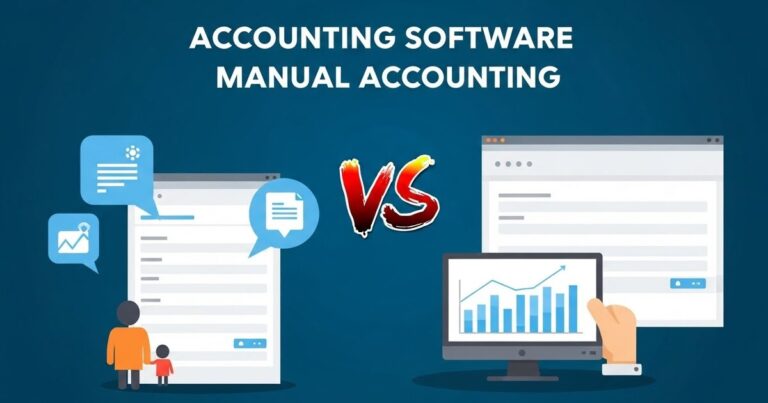
- Understand the Roles: A bookkeeper handles the day-to-day recording of transactions (data entry, reconciliations). An accountant or CPA provides higher-level analysis, tax strategy, financial reporting, and compliance. A small business may start with a bookkeeper and engage a CPA quarterly or annually.
- The Vetting Process:
- Tech Alignment is Critical: Do they use modern, cloud-based accounting software (QuickBooks Online, Xero) that allows for seamless collaboration and real-time insight? If they insist on desktop software or paper ledgers, walk away.
- Proactive vs. Historical: Ask, “How will you help me understand my financial data to make better business decisions?” The right answer involves forecasting, key performance indicator (KPI) review, and regular check-ins, not just year-end tax filing.
- Industry Experience: An accountant familiar with your sector will know the relevant tax deductions, typical profit margins, and industry-specific financial benchmarks.
- Red Flags: Reluctance to move to the cloud, no interest in your business model, or a sole focus on historical compliance with no offer of forward-looking advice.
Phase Two: The Growth Catalysts – Marketing and Creative Guides
These partners help the world discover and desire what you’ve built.
Choosing a Marketing Agency or Consultant
- Define Your Need First: Are you looking for brand strategy, content creation, paid advertising management, or public relations? “Marketing” is vast. Seek specialists, not generalists who claim to do everything.
- The Vetting Process:
- Portfolio & Case Studies: Look for work they’ve done for businesses of your size and in your sector. Can they show measurable results (e.g., “Increased qualified leads by 30% in 6 months”)?
- Chemistry & Understanding: Do they take time to understand your customer avatar, your unique value proposition, and your brand voice? Or do they jump straight to tactical ideas? They must be a student of your business before becoming its promoter.
- Transparency in Reporting: Ask, “What key metrics will you track, and how will you report on them?” You should expect clear, regular reports that tie activity to business outcomes (website traffic, lead cost, conversion rates).
- Red Flags: Guarantees of specific rankings (“We’ll get you to #1 on Google”), opaque pricing, or a one-size-fits-all strategy that ignores your specific market.
Choosing a Web Designer/Developer
- Clarify the Scope: Do you need a simple marketing site (a web designer using a platform like Squarespace) or a complex web application with custom functionality (a software developer)?
- The Vetting Process:
- Technical and Aesthetic Review: Their portfolio should demonstrate both visual appeal and functional clarity. Test their live sites on your phone. Do they load quickly? Are they easy to navigate?
- Post-Launch Philosophy: Ask, “What happens after the site launches?” The answer should include training for you to make content updates, a warranty period for bug fixes, and clear terms for ongoing maintenance and hosting.
- Content & SEO Approach: The best design is useless if no one can find it. Ensure they build with search engine optimization (SEO) fundamentals in mind and have a plan for integrating your content.
- Red Flags: No portfolio, an unwillingness to provide a detailed project plan with milestones, or a lack of clarity on who owns the final website code and design assets.
The Universal Selection Framework: Five Non-Negotiable Criteria
Across all professional services, apply this litmus test:
- Cultural & Strategic Alignment: Do they share your values and business philosophy? Do they seem genuinely excited by your vision? This alignment ensures they will advocate for your long-term success, not just complete a transaction.
- Specialized Expertise: Do they have a proven track record with businesses at your stage, in your industry, with your specific challenges? Look for deep niches, not shallow generalities.
- Communication & Transparency: Are they clear about their process, fees, and timelines from the outset? Do they respond promptly and explain things in a way you understand? You are hiring them for their clarity as much as their skill.
- Proactive Partnership: Do they offer strategic insights during your first conversation? Do they ask “why” behind your requests? You want a guide who anticipates turns in the road, not just a pair of hands.
- Scalability: Can their service grow with you? A solo practitioner accountant might be perfect now, but will they have the capacity when you triple in size? Choose partners who can support your future, not just your present.
The Implementation: Starting the Relationship Strong
Once you select a partner, begin with a pilot project or a defined engagement period. For a marketer, this might be a three-month campaign with clear goals. For a lawyer, it could be handling your employee agreement templates.
Set clear expectations on communication frequency, reporting formats, and decision-making protocols. Put the scope of work and fees in writing.
Remember, the cheapest option is often the most expensive in the long run, costing you in missed opportunities, legal exposure, or failed campaigns. The right professional services are a force multiplier. They extend your capabilities, safeguard your efforts, and provide the expert counsel that allows you to focus on what you do best: leading your business. By choosing them with the strategic care they deserve, you are not outsourcing work—you are building the foundational team that will help ensure your venture not only survives but thrives.