How to Sell Your Business: 12-Month Preparation Timeline
One day, you will leave your business.
Ideally, it will be on your terms, with a fat check in your pocket and a champagne toast. But for many founders, the exit is chaotic. They get burned out, or a health scare happens, and they try to sell in a panic.
When you sell your business in a panic, you leave money on the table. A lot of it.
Buyers can smell desperation. They can also smell disorganization. If your financials are messy, your processes are in your head, and your customer contracts are handshake deals, your business is worth half of what you think it is.
The secret to a “life-changing” exit isn’t just having a good year of sales. It’s preparation.
You need to view your business through the eyes of a buyer. A buyer isn’t buying your past hard work; they are buying a future stream of cash flow with as little risk as possible. Your job over the next 12 months is to de-risk the asset.
If you are thinking about selling in a year, the clock starts now. Here is your month-by-month battle plan to sell your business and get the maximum price for your life’s work.
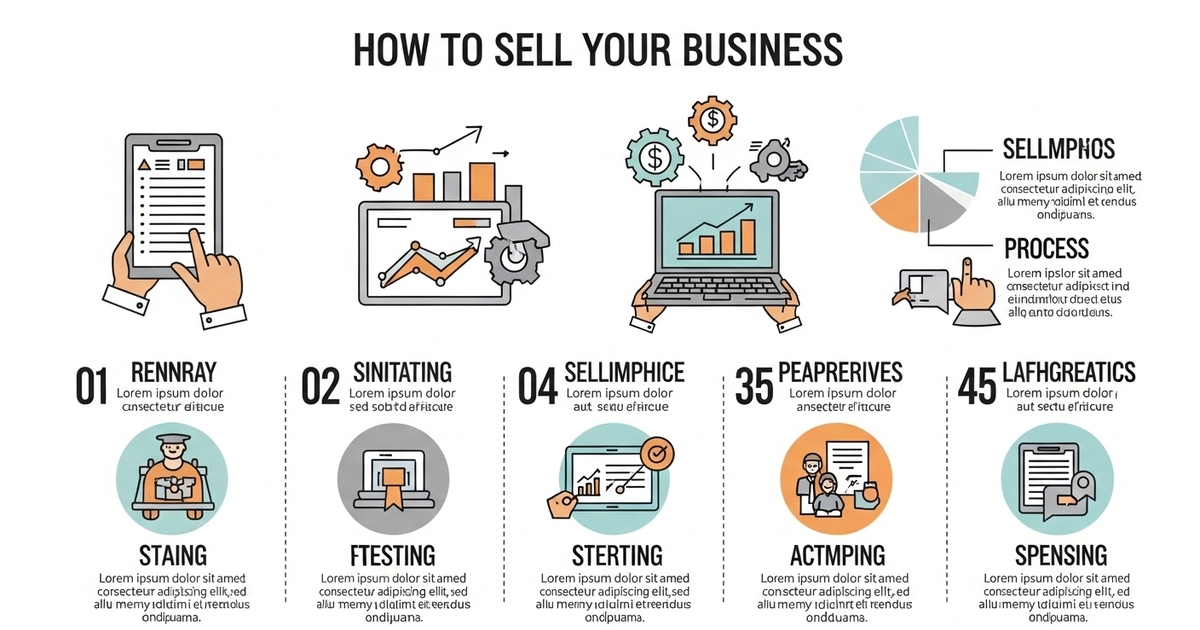
How to Sell Your Business:
Months 1-3: The “Deep Clean” (Financials & Legal)
This is the unsexy part, but it’s where deals die.
1. Clean Up the Books Buyers don’t trust “creative” accounting. If you have been running personal expenses through the business to lower your taxes, stop. You need to show maximum profit (EBITDA) on your tax returns.
- Action: Hire a CPA to do a “Quality of Earnings” review. Restate your financials to show the true profitability of the business.
2. Legal Audit Do you actually own your IP? Are your employee contracts up to date? Do you have long-term contracts with key customers?
- Action: Review every contract. Ensure they are transferrable to a new owner. If a contract expires soon, renew it now.
Months 4-6: The “De-Risking” (Operations)
A business that relies on the owner is not a business; it’s a job. And nobody wants to buy your job.
1. Fire Yourself If you are the only one who can close a sale or fix the server, you are a liability.
- Action: Document everything. Create Standard Operating Procedures (SOPs). Promote a #2 who can run the day-to-day operations.
2. Diversify Revenue If one customer makes up 40% of your revenue, that is a massive risk. If they leave, the business collapses.
- Action: Focus sales efforts on new accounts to dilute that concentration.
Months 7-9: The “Story” (Valuation & Marketing)
Now you need to package the asset.
1. Get a Valuation Don’t guess. You need to know what the market will pay.
- Action: Hire a business appraiser or talk to an M&A broker. Understand the multiples for your industry. (Check our guide on business valuation).
2. Write the “Confidential Information Memorandum” (CIM) This is the brochure for your business. It highlights your growth story, your unique competitive advantage, and the “blue sky” opportunity for the new owner.
- Action: Start drafting this. Why would someone be an idiot not to buy this company?
Months 10-12: The “Market” (Finding a Buyer)
It’s go time.
1. Assemble the Deal Team You cannot do this alone. You need an M&A attorney, a broker (or investment banker), and your CPA.
- Action: Interview advisors. Find people who have sold businesses your size before.
2. Go to Market Your broker will start discreetly shopping the deal to potential buyers (competitors, private equity, search funds).
- Action: Keep running the business! The worst thing you can do is get distracted by the sale process and let revenue dip right before closing.
The FAQ Section
Q: How long does the actual sale take?
A: Once you go to market, expect 6-9 months to close. Due diligence is grueling.
Q: Should I tell my employees?
A: generally, no. Not until the deal is done or absolutely necessary. Uncertainty causes top talent to leave. Tell your key #2 if you need their help with due diligence, but incentivize them with a “stay bonus.”
Q: What is an “Earn-Out”?
A: Often, a buyer will pay, say, 70% upfront and 30% over 2 years based on performance. If you want to walk away completely on Day 1, expect a lower price.
The Bottom Line
Selling your business is the final exam.
If you cram the night before, you might pass, but you won’t get the A+. If you study for a year, organize your notes, and prepare, you will walk away with a result that secures your family’s future.
Start today. Even if you don’t sell your business in 12 months, going through this process will make your business stronger, more profitable, and easier to run.
Ready to maximize your exit value? Start by looking at your numbers through a buyer’s lens. Our pre-sale checklist covers the specific financial metrics you need to hit before listing.