Market Research Before Expansion: 7-Step Validation Process

So, you are ready to expand.
Your current business is humming along. You have cash in the bank. You have a great team. And you are looking at that next city, that new product line, or that new customer segment with hungry eyes.
It feels like the natural next step. In fact, it feels exciting. You can already see the new logo, the new office, the new revenue hitting your bank account.
But before you sign that lease or order that inventory, I want you to pause.
Expansion is the single riskiest move a successful business can take. Why? Because what got you here won’t necessarily get you there. Just because people love your coffee shop in Seattle doesn’t mean they will love it in Miami. Just because your software works for dentists doesn’t mean it will work for lawyers.
The graveyard of failed expansions is full of smart entrepreneurs who skipped one crucial step: Validation.
They assumed. They guessed. They trusted their gut. And they burned a lot of cash learning lessons they could have learned for free.
If you want to grow without gambling your current success, you need a process. You need market research before business expansion. And no, that doesn’t mean hiring an expensive firm to write a 100-page report you’ll never read.
It means doing the detective work yourself. Here is the 7-step process to validate your next big move before you spend a dime.
The “False Confidence” Trap
Success breeds confidence. That’s good. But it also breeds complacency.
When you launched your first business, you were probably terrified. You scrutinized every dollar. You talked to every customer. You were hungry for data because you had none.
Now that you are successful, it’s easy to get lazy. You think, “I know business. I know what people want.”
But markets are specific. A new market is a new ecosystem with new predators, new rules, and new customer behaviors. Treating a new market like your old market is a recipe for disaster.
This validation process is your insurance policy. It forces you to take off the “CEO with the Midas Touch” hat and put on the “Scientist” hat. You aren’t here to prove you are right. You are here to try and prove yourself wrong.
Step 1: The Desktop Deep Dive (The “Lazy” Research)
Start with what’s free. You can learn an embarrassing amount about a market without leaving your chair.
- Competitor Audit: Who is already owning the space? Don’t just look at their website. Look at their 1-star reviews. What are people complaining about? That is your opportunity gap.
- Keyword Research: Use tools like Google Trends or Ubersuggest. Are people actually searching for what you want to sell in that location? If search volume is zero, your demand might be zero.
- Demographics: If you are opening a physical location, look at census data. Does the neighborhood actually have the income level and age bracket you need?
Step 2: The “Trojan Horse” Interview
Surveys are okay, but people lie on surveys. They say they would buy something, but that doesn’t mean they will.
You need real conversations. Reach out to potential customers in the new market. Don’t try to sell them anything. Frame it as research.
“I’m looking to solve [Problem X] for [Industry Y]. Can I ask you three questions about how you handle that right now?”
Listen for pain, not politeness. If they say, “Yeah, that sounds nice,” you are in trouble. If they start venting about how much they hate their current solution, you have struck gold.
Step 3: The “Fake Door” Test
This is my favorite validation tactic. Before you build the product or open the store, see if people will click the button.
Create a simple landing page for your new offering. Run $500 of Facebook or Google ads to it in the target region.
- The Goal: Get them to give you an email address or click “Pre-Order.”
- The Result: If nobody clicks, the market doesn’t care. If you get a 5% conversion rate, you have hard data that demand exists.
This is much cheaper than opening a store and waiting for people to walk in.
Step 4: Analyze the Competition’s Pricing
You can’t just copy your current pricing. The new market might be more price-sensitive (or less!).
Gather pricing from 5-10 local competitors. Map them out.
- Low End: Who is the Walmart of the market?
- High End: Who is the luxury option?
- The Gap: Is there a middle ground that is being ignored?
If you are expanding into a saturated market, you usually want to avoid the “race to the bottom.” Look for ways to charge more by offering better value.
Step 5: Regulatory & Logistic Recon
This is the boring stuff that kills businesses.
- Regulations: Does this state require a license you don’t have? Are the labor laws different? (California labor laws are very different from Texas labor laws).
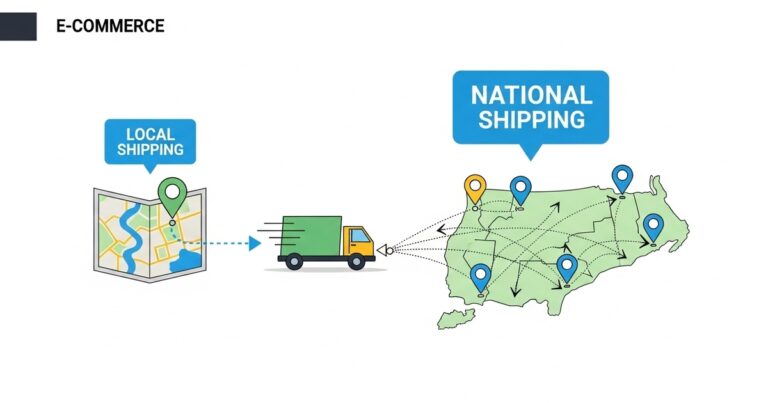
- Logistics: If you are shipping product, how does this new location affect your supply chain? Will your logistics multi-region supply chain hold up, or will shipping costs eat your margin?
Step 6: The “Pilot” Program
Don’t go all in. Go a little bit in.
If you are a service business, take on one client in the new region. If you are a retailer, do a pop-up shop for a month.
The goal here is to break your own systems. You want to see what fails when you are operating outside your home base. Does communication break down? Do deliveries get lost? Fix these bugs when the stakes are low.
Step 7: The “Go / No-Go” Decision Matrix
After you have gathered all this data, sit down with your team. Do not just rely on your gut. Create a matrix.
- Market Demand: High/Medium/Low? (Based on Step 3)
- Competitive Gap: Is there room for us? (Based on Step 4)
- Operational Lift: How hard will this be? (Based on Step 5)
- Financial Risk: What is the worst-case scenario?
If the data says “No,” have the courage to walk away. Walking away from a bad expansion is a victory, not a failure. It saves your capital for the right opportunity.
Actionable Tips for Expansion
1. Hire a “Local Guide” If you are expanding to a new city or country, hire a consultant or manager from that area. They know the cultural nuances you will miss.
2. Watch Your Cash Flow Expansion eats cash. Ensure you have a business cash reserve strategy in place. Do not raid your core business’s operating funds to pay for the expansion’s gambling debts.
3. Define “Success” Before You Start Set clear KPIs for the expansion. “We need to hit $50k MRR in 6 months.” If you miss that, what is the plan? Pivot? Pull the plug? Decide before you are emotional about it.
The Bottom Line
Expansion is exciting. It’s the sign that you’ve made it. But sustainable growth isn’t about being everywhere; it’s about being profitable everywhere you are.
By following this validation process, you move from “hoping it works” to “knowing it works.” You trade anxiety for data.
So, before you order that new signage or hire that new sales team, do the homework. Your future self (and your bank account) will thank you.
Ready to finance your expansion? Once you’ve validated the market, you might need capital to execute. Check out our guide on revenue-based financing to see if you can fund your growth without giving up equity.