Understanding the Basics of Business Credit Scores
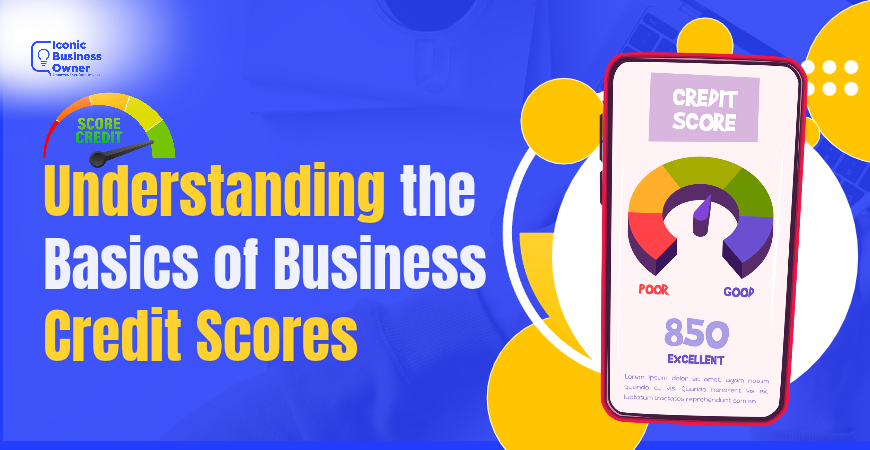
Did you know nearly 70% of small business owners don’t know their business credit scores? This shows a big gap in financial knowledge that can hurt a company’s stability. Business credit scores are key to showing a business’s financial trustworthiness and its chance to get loans.
In today’s tough financial world, learning about business credit scores is vital for entrepreneurs. It doesn’t matter if you’re starting or growing; knowing how these scores work can make all the difference. This part is your first step to see why knowing your business credit score is important for your financial health.
What Are Business Credit Scores?
Business credit scores are key to understanding a company’s financial health. They show how trustworthy a business is. This is vital for keeping finances stable and getting good deals on transactions.
Definition and Explanation
Business credit scores range from 0 to 100. They look at payment history, debt, and how much credit is used. Knowing how these scores work helps see a company’s risk level and how lenders view it.
Importance in the Business Finance Landscape
Business credit scores mean more than just numbers. A high score shows a company is well-managed and reliable. This can help get better financing terms and rates, boosting growth chances. In today’s finance world, businesses with good credit scores have an edge.
How Business Credit Scores Are Calculated
Knowing how business credit scores are figured out is key for businesses. Credit reporting agencies play a big role in this. They look at many factors that shape a company’s score. Understanding these can help businesses make better financial choices and boost their credit.
Key Factors Influencing Business Credit Scores
Several important factors affect a business’s credit score. These include:
- Payment History: On-time payments help a business look good. But, late payments can hurt scores a lot.
- Credit Utilization Rates: Using a small part of your available credit shows you’re good with money.
- Public Records: Things like bankruptcies or liens can lower your score, showing financial trouble.
- Length of Credit History: A long history of using credit can help your score.
Common Business Credit Reporting Agencies
Three big agencies calculate business credit scores. Each uses its own way to judge businesses. The main ones are:
- Dun & Bradstreet: They use the Dun & Bradstreet PAYDEX score, which looks at payment history.
- Experian: They offer scores that look at a business’s overall creditworthiness.
- Equifax: They focus on credit stability with their comprehensive reports.
The Role of Business Credit Scores in Financial Credibility
Business credit scores are key to a company’s financial standing. They show if a business pays its debts on time. This affects how lenders and suppliers view the company.
Higher scores mean less risk. This can help a business get better loans and partnerships. It opens doors to more opportunities.
Understanding Financial Credibility
Having a good business credit score builds trust. It shows that a company can handle its financial duties. This is crucial for building a strong reputation.
Companies with strong credit scores get better deals from creditors. This can improve their financial health. It’s a win-win situation.
Impact on Business Opportunities
A good credit score can lead to more chances. Companies with strong credit can get contracts and loans others can’t. It’s a big advantage.
On the other hand, a bad score limits access to resources. This can hold back growth and partnerships. It’s a missed chance for success.
How to Improve Your Business Credit Scores
Improving your business credit scores is key to a healthy business. By following best practices and using effective strategies, you can boost your scores. This section will guide you on how to tackle this important part of business finance.
Best Practices for Credit Building
To improve your business credit scores, consider these best practices:
- Pay bills on time to keep a good payment history.
- Keep your credit utilization low by managing your debts.
- Regularly check your business credit reports for accuracy.
Steps to Take for Improvement
Simple steps can improve your business’s credit profile:
- Open a dedicated business bank account to keep personal and business finances separate.
- Register your business with major credit reporting agencies.
- Work with suppliers and creditors to build positive relationships.
Using these strategies will open up better financing options and lower interest rates. A solid approach to managing your business credit scores leads to long-term financial stability and growth.
Business Credit Scores and Business Loans
A strong business credit score is key for getting business loans. Lenders check scores to see if they can trust you with money. If your score is low, you might not get the funding you need, which can slow down your business growth.
Link Between Credit Scores and Loan Approval
Lenders look at credit scores to figure out the risk of lending to a business. A good score means you handle money well, which helps you get loans. But, a bad score can mean no loan or a higher interest rate. Knowing how credit scores impact loans can help you improve your financial health.
Types of Loans Affected by Credit Scores
Business credit scores affect different loans in different ways. Here are some examples:
- Traditional Bank Loans: You need a good credit history and score to get these loans.
- Lines of Credit: Your score affects the interest rates and how much you can borrow.
- Microloans: While these loans might be easier to get, a bad score can still be a problem.
Knowing how credit scores affect different loans helps you make better financial choices. By working on your credit, you can get the loans you need for your business to succeed.
| Loan Type | Credit Score Impact | Typical Approval Requirements |
|---|---|---|
| Traditional Bank Loans | High importance | Minimum score required |
| Lines of Credit | Moderate to High | Good credit history |
| Microloans | Low to Moderate | Generally flexible |
Monitoring Your Business Credit Scores
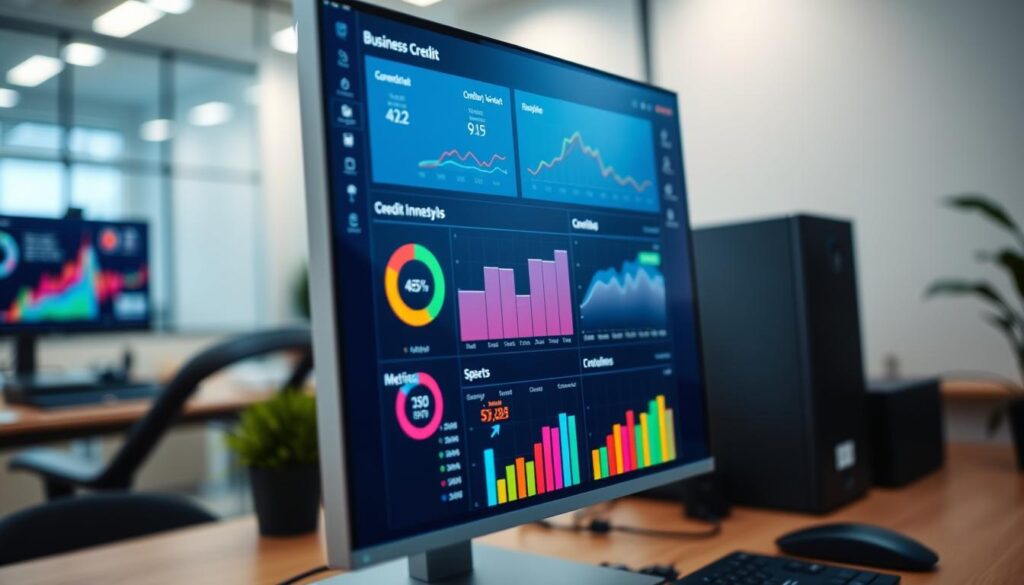
Keeping an eye on your business credit scores is key to a good financial reputation. It’s important for businesses to check their credit profiles often. This ensures they show their true creditworthiness. It also helps avoid problems when getting loans or deals with suppliers.
Importance of Regular Monitoring
Knowing your credit scores helps spot any wrong information or scams. This is crucial for your financial health. Regular checks can:
- Detect Errors: Find and fix mistakes in your reports to avoid score drops.
- Understanding Changes: Track score changes to see how your business finances are doing.
- Enhancing Decision-Making: Knowing your scores helps make better financial choices, like getting loans or credit.
Tools and Resources for Monitoring
Using the right tools is vital for keeping your credit in check. Many resources offer updates on business credit scores. Here are some top picks:
- CreditSignal by Experian: Sends alerts about score changes and offers advice.
- Dun & Bradstreet’s CreditBuilder: Helps track scores and improve your credit profile with specific actions.
- Equifax Business Credit Report: Gives detailed reports on your credit history and scores.
Common Myths About Business Credit Scores
Understanding business credit scores can be tricky. Many business credit score myths confuse business owners. It’s important to know what’s true and what’s not to keep your finances strong.
Misconceptions can lead to bad decisions. These decisions can hurt your business’s growth and chances for the future.
Debunking Misconceptions
One common myth is that small businesses don’t need to worry about credit scores. But, all businesses, big or small, benefit from good credit. Late payments on invoices can lower your score, so it’s best to pay on time or early.
Many think that checking your credit score too often will really hurt it. But, knowing the truth about credit scores can clear up this misunderstanding.
Understanding the Truth Behind the Myths
Keeping your business credit in good shape is key. It helps you get loans and makes your business look more trustworthy. By focusing on building and protecting your credit, you can avoid problems.
Knowing the truth about business credit score myths helps you take action. This can help your business grow. For more information, check out the detailed guide here.
FAQs About Business Credit Scores
Business credit scores can be confusing for many entrepreneurs and business owners. It’s important to understand these scores to navigate the financial world. This section will cover some common concerns about business credit scores. We’ll explore how they work and their impact on your business.
Frequently Asked Questions
- How are business credit scores calculated? Scores are based on payment history, credit use, and how long you’ve had credit. These factors give a full picture of your business’s creditworthiness.
- Why is personal credit important for business credit? Personal credit matters a lot for sole proprietors or new businesses. They often use personal finances for business needs.
- What steps can I take to improve my business credit score? Pay bills on time, use credit wisely, and check for errors often. Staying updated with credit score inquiries helps fix issues quickly.
Understanding the Common Concerns
It’s key to tackle common concerns about business credit scores for good financial planning. Many worry about score changes due to financial choices. Checking credit reports regularly can ease worries and ensure scores accurately reflect your credit habits.
| Concern | Explanation |
|---|---|
| Score Calculation | Scores are influenced by payment history, credit utilization, and public records. |
| Impact of Personal Credit | Personal and business scores may interlink during loan applications. |
| Improvement Strategies | Pay bills on time and keep credit inquiries minimal to boost your score. |
Conclusion
Understanding business credit scores is key for financial credibility in today’s market. We’ve shown how these scores affect financing access and terms. A good credit score opens doors to better financing options.
Managing your credit and keeping an eye on your scores is crucial for success. By following best practices, you can boost your scores. This leads to lower interest rates and more buying power.
In short, knowing about business credit scores and managing them well is vital for entrepreneurs. For more tips, check out Chase’s guide on business credit scores. By doing so, your business will thrive and stay strong.
Read the article: Crush Your Competition with Email Marketing: Top Strategies for Success