Choosing the Right Payment Processing Solution for Your Business
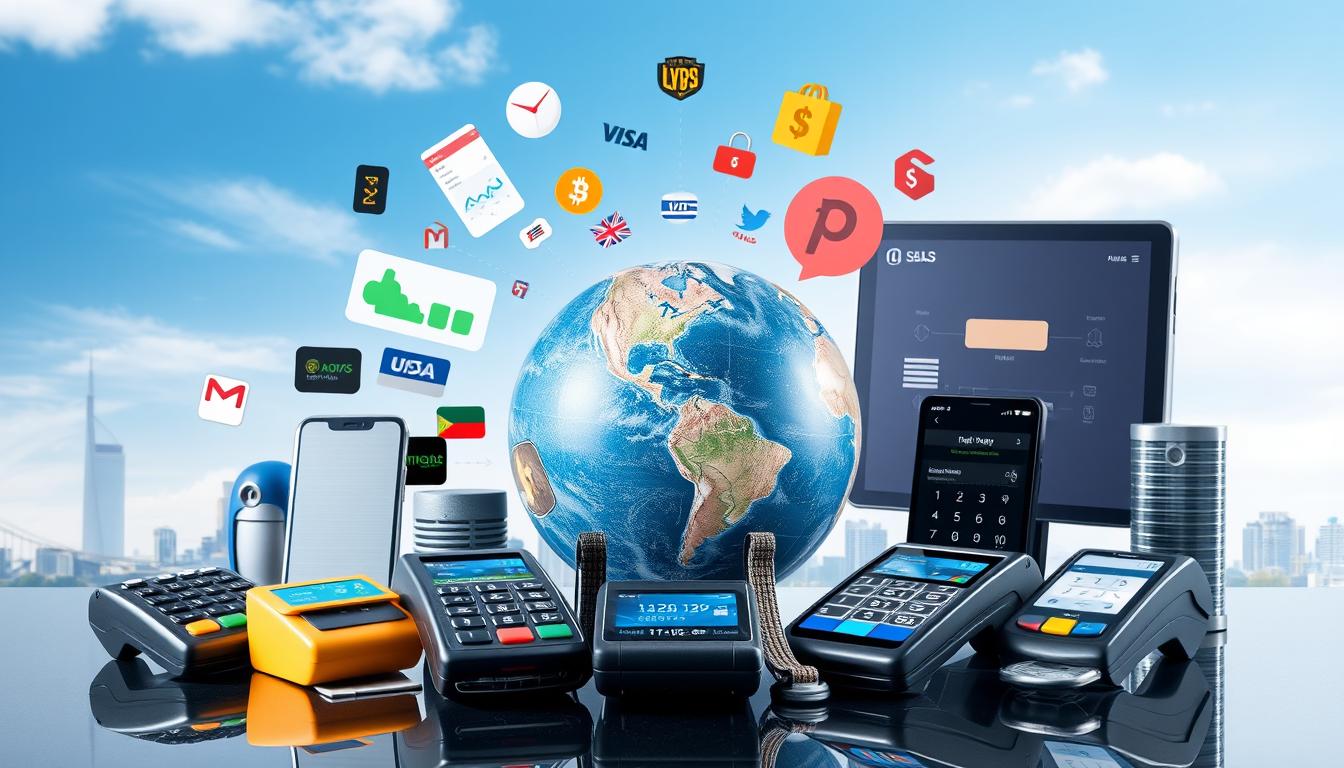
Did you know nearly 70% of consumers left their online carts in 2023 because of hard payment processes? This shows how important it is for businesses to pick the best payment solutions. In today’s digital world, a strong online payment system is a must, not just a nice-to-have.
When picking the right payment solution, businesses need to think about several things. They should focus on making the user experience smooth, understand the costs, and make sure it works well with their current systems. This is key to offering great merchant services. By choosing the right payment solution, businesses can stand out, increase sales, and keep customers coming back.
Key Takeaways
- Selecting the right payment processing solution is crucial for reducing cart abandonment rates.
- Understanding specific business needs is essential for enhancing online payments.
- The user experience plays a vital role in customer satisfaction and retention.
- Cost structures must be evaluated to optimize profit margins.
- Integration capabilities with existing systems are key for operational efficiency.
Understanding Payment Processing Solutions
Payment processing solutions are key to modern commerce. They help transactions between customers and businesses. The process starts with transaction initiation, when a customer checks out.
At this point, online payment gateways are crucial. They securely capture payment info. Then, the system checks and approves the transaction before it’s settled.
There are many types of payment solutions available. Credit card processing is common because it’s easy to use. Mobile payments are growing, thanks to smartphones.
Digital wallets like PayPal and Apple Pay make payments easier. They let users store many payment methods in one place.
It’s important for businesses to know about these payment processing systems. Choosing the right one can improve customer satisfaction and efficiency.
| Type of Payment Solution | Key Features | Benefits |
|---|---|---|
| Credit Card Processing | Widely accepted, quick transaction times | High customer trust, immediate payment confirmations |
| Mobile Payments | Contactless options, app-based transactions | Convenience, enhanced customer experience |
| Digital Wallets | Multi-currency support, secure storage of payment info | Speedy checkouts, improved security measures |
Importance of Payment Processing for Businesses
For any business to succeed, understanding payment processing is key. It affects how transactions flow and manages cash. A smooth payment process cuts down on delays and mistakes, making transactions faster.
Customer happiness is vital for a business’s success. Quick and safe payment options improve the shopping experience. This makes it easier for people to buy things. Businesses that focus on good payment processing keep more customers and get more sales.
Using advanced payment solutions also helps with data analysis. This lets businesses understand what customers want and change their plans. Being able to adjust helps businesses stay ahead in a changing market.
| Aspect | Impact on Business |
|---|---|
| Cash Flow Management | Enhances financial stability and planning |
| Customer Experience | Increases satisfaction and loyalty |
| Error Reduction | Minimizes transaction failures and disputes |
| Data Insights | Improves decision-making and forecasting |
Key Features to Look for in Payment Processing Solutions
Finding the right payment processing solution is key. You need to know about important features that affect how well transactions work. These include security, ease of use, and how well it fits with your current systems. Each feature is important for a smooth experience for everyone involved.
Security Measures
Keeping payments safe is very important today. Look for solutions that follow strict security standards. They should use strong encryption and have good fraud protection. These steps help keep customer info safe and build trust.
User-Friendliness
A payment system that’s easy to use is a big plus. It should be simple for both customers and businesses to use. This makes everyone happier and more likely to come back.
Integration with Existing Systems
It’s important for a payment system to work well with other software. It should fit with your accounting tools and online stores. This makes managing money easier and helps your business run smoothly.
Types of Payment Processing Solutions
Today, businesses have many payment processing options. These options meet different needs and preferences. Knowing the types helps entrepreneurs pick the best for their business.
Online payment systems are very popular. PayPal, Stripe, and Square make digital payments easy. They’re great for online stores. Customers can buy things online without leaving home, improving their shopping experience.
For offline transactions, there are in-person payment solutions. These include traditional POS systems and mobile card readers. POS systems from Square or Clover are perfect for physical stores. They make paying fast and easy at places like shops and restaurants.
Hybrid models offer both online and offline payment options. Businesses using these systems can meet different customer needs. This approach boosts customer happiness and sales.
Choosing the right payment processing is key for business owners. By looking at the options and their benefits, entrepreneurs can offer a better payment experience. This makes customers happy and helps businesses grow.
Best Payment Processing Solutions
The world of payment processing has many options for businesses. It’s key to know which ones are the best. By comparing top payment providers, you can see their unique features and costs.
Comparison of Top Providers
Looking at the top payment providers, focus on what matters most. This includes how easy they are to use and their costs. Here’s a table comparing some of the best:
| Provider | Key Features | Transaction Fees | Strengths | Weaknesses |
|---|---|---|---|---|
| PayPal | Easy integration, buyer protection | 2.9% + $0.30 per transaction | Wide acceptance, user-friendly | Higher fees for international sales |
| Stripe | Customizable API, subscription billing | 2.9% + $0.30 per transaction | Flexible for developers, extensive plugins | Complex for non-tech users |
| Authorize.Net | Recurring billing, fraud detection | 2.9% + $0.30 + $25 monthly fee | Robust security features | Monthly fees can add up |
Customer Reviews and Insights
What customers say is very important. Reviews of payment solutions show how well they work. People like PayPal for being easy to use and accepted everywhere.
Stripe is praised for being flexible. But, some don’t like Authorize.Net’s hidden fees. Hearing from others helps you choose wisely.
Choosing Between In-Person and Online Payment Solutions
Choosing between online and in-person payments is key for businesses looking to improve. Each option has its own benefits and drawbacks. These can greatly affect how happy customers are and how well the business runs.
In-person payments are quick and seen as safer by some. They offer a real experience during checkout. Online payments, however, are easy and flexible. They let customers shop without leaving home, fitting well with today’s digital world.
Costs are a big part of deciding on business payment choices. In-person payments need money for stores and staff. Online payments require spending on secure payment systems and data protection.
Many businesses pick hybrid payment solutions to meet different customer needs. This mix of in-person and online payments aims for the best of both worlds. It ensures a smooth shopping experience for everyone.
Before picking a payment method, businesses should do their homework. A smart choice will help meet their goals and keep customers happy. For more on payment gateways, see this guide on best payment gateways.

| Payment Type | Advantages | Disadvantages |
|---|---|---|
| In-Person Payments |
|
|
| Online Payments |
|
|
| Hybrid Solutions |
|
|
Cost Considerations for Payment Processing
Understanding payment processing costs is key for any business. Transaction fees and monthly service charges are major factors. These costs can greatly affect a company’s expenses, making it important for budgeting and financial planning.
Transaction Fees
Transaction fees are a big part of payment processing costs. These fees change based on the provider and how they are set up. You might see:
- Percentage-based fees: A percentage of each transaction amount is charged. For example, a common rate might be 2.9% plus a small fixed fee.
- Flat-rate pricing: A single rate applied to all transactions, which offers simplicity in budgeting. Businesses might encounter rates around 2.6% per transaction.
- Interchange fees: These are fees that go to the credit card-issuing bank and can vary based on card type and transaction volume.
Monthly Service Charges
Monthly service charges are also part of payment processing costs. These fees cover support features like:
- Account management and customer support
- Access to reporting and analytics tools
- Technical support for integration with other systems
These monthly fees vary a lot based on the services and the size of the business. It’s smart to look closely at all costs to make sure the payment processing solution fits your budget.
| Fee Type | Description | Typical Rates |
|---|---|---|
| Transaction Fees | Fees charged per transaction | 2.9% + $0.30 |
| Flat-rate Pricing | Single rate for all transactions | 2.6% per transaction |
| Monthly Service Charges | Fees for account maintenance and support | $10 – $50 |
Merchant Services and Their Role in Payment Processing
Merchant services are key in the world of payment processing. They help businesses accept different payment types, making transactions smoother and improving customer satisfaction. It’s important for businesses to understand how these services work, especially if they want to improve their operations.
The payment processing role is complex. It allows for credit card, debit card, and mobile wallet transactions. These are vital for today’s commerce. Merchant services give businesses the tools to handle these transactions quickly and securely.
There are various merchant accounts for different business needs:
- Retail Accounts: Perfect for businesses with physical locations.
- eCommerce Accounts: For online stores, enabling digital payments.
- Mobile Accounts: For transactions on mobile devices, great for sales on the go.
In short, merchant services are crucial for businesses to process payments effectively. They help reach more customers and improve operational efficiency. This is essential for success in competitive markets.
Evaluating Software Comparison Tools for Payments
Finding the right payment processing solution can be tough. There are so many choices out there. Software comparison tools make this easier. They help businesses pick the best payment solutions for their needs.
Features of Reliable Tools
What makes a software comparison tool reliable? A few key features are important:
- User Reviews: Real feedback from customers shows how well a tool works.
- Feature Availability: Knowing what each tool offers helps make a choice.
- Price Comparison: Seeing prices side by side helps save money.
Benefits of Using a Comparison Tool
Using a comparison tool has many benefits:
- Time Efficiency: You can compare many tools quickly without visiting each website.
- Reduced Overwhelm: It makes choosing easier by giving clear, simple info.
- Cost-Effective Choices: It helps find the best deals, saving money.
| Comparison Feature | Comparison Tool A | Comparison Tool B | Comparison Tool C |
|---|---|---|---|
| User Reviews | 5,000+ reviews | 2,500+ reviews | 3,800+ reviews |
| Feature Breakdown | Comprehensive | Basic | Moderate |
| Price Comparison | Yes | No | Yes |
Using software comparison tools makes finding payment solutions easier. This smart approach helps businesses find the right tools to meet their goals and improve efficiency.
How to Test a Payment Processing Solution
Finding the right payment processing solution is key for any business. It’s important to test it well to see if it fits your needs. You can do this by using trial periods and checking important performance metrics.
Trial Periods
Using trial periods lets businesses try out payment solutions without committing long-term. They can check:
- Ease of use and navigation
- Integration capabilities with existing systems
- Customer service quality and responsiveness
This hands-on approach helps figure out if a payment system fits your business. Trials often show benefits or drawbacks that can sway your choice.
Performance Metrics to Evaluate
It’s crucial to evaluate a payment solution’s performance thoroughly. Look at these key metrics:
| Performance Metric | Importance |
|---|---|
| Transaction Speed | Faster transactions improve customer experience and cut down wait times. |
| Error Rates | Lower error rates mean a more reliable system, which builds customer trust. |
| Customer Service Responsiveness | Quick support during business hours is key for solving issues. |
| Overall Reliability | A dependable payment solution means fewer disruptions, vital for ongoing business. |
By focusing on these metrics during testing, businesses can make smart choices. This leads to better efficiency and customer happiness.
Common Challenges with Payment Processing Solutions
Businesses face many payment processing challenges that slow them down. One big problem is when transactions fail. This can happen for many reasons like not enough money, network problems, or wrong payment details. These failures upset customers and cost businesses sales.
Keeping payments safe is also a big deal. Issues with payment systems can lead to data breaches and fraud. To avoid these, businesses need strong security like encryption and tokenization.
Getting new payment systems to work with what you already have is hard. It can cause problems and cost more money if you have to change or replace things.
To tackle these challenges, businesses need a good plan. This includes testing payment solutions well and keeping an eye on them to fix problems fast. By doing this, businesses can make payments smoother and improve customer happiness.
Future Trends in Payment Processing
The world of payment processing is changing fast. New technologies and what people want are driving these changes. Businesses need to keep up with these trends to succeed.
Emerging Technologies
New tech like blockchain, AI, and contactless payments are changing how we pay. Blockchain makes payments safer and more open. AI helps spot fraud by analyzing data quickly.
Consumer Preferences
What people want is also changing payment tech. More people want to use mobile payments and digital wallets for ease and speed. Businesses must offer easy-to-use options to keep up with these trends.
Conclusion
Choosing the right payment processing solution is key for business success today. These final thoughts on payment processing show how important it is to pick wisely. You need to find solutions that fit your business needs perfectly.
When picking, think about costs, security, and new tech. It’s important to look at different options and what they can do. This helps improve how your business works and makes customers happier.
Looking into payment processing can be complex. But, doing your homework is crucial. For more info, check out choosing payment solutions that meet your business goals. Staying ahead in this fast-changing world keeps your business strong and competitive.